

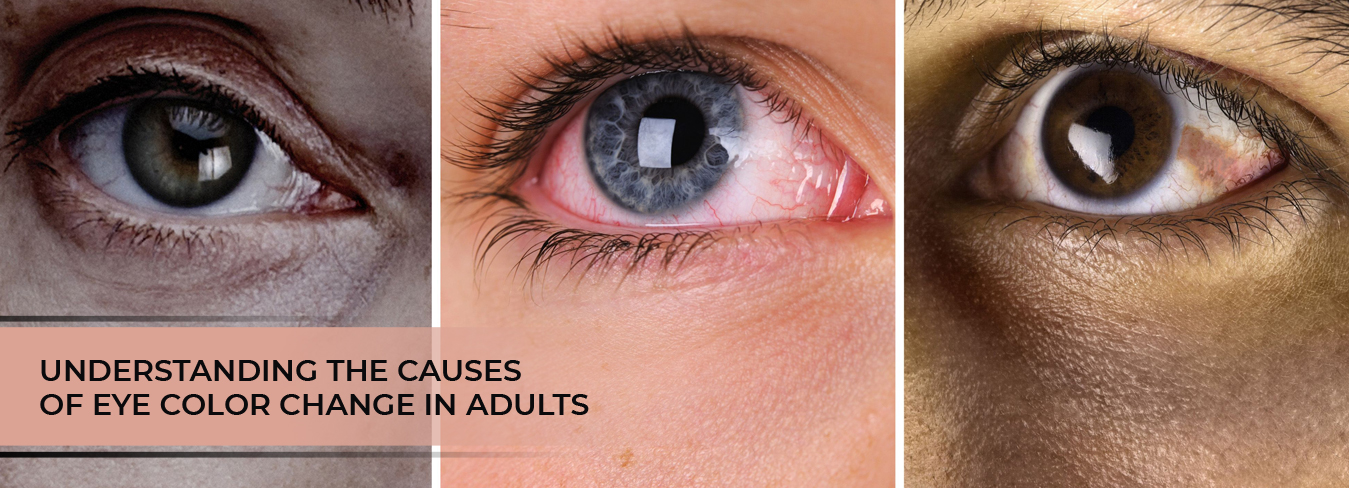
The color of the eyes makes an individual unique. Does it change? You can notice color changes in the eyes of babies. Melanin is the pigment accountable for imparting color to the eyes. Infants are born with low levels of melanin. The iris of a baby produces more melanin with increased sunlight exposure. What about adults? Eye color change in adults is not a natural process. It might be the consequence of an underlying health concern.
Genetic Traits of Parents Decide Your Eye Color
The genetic traits of parents are an influential factor in determining the color of the eyes. How much melanin is available in the front layer of your iris? Having brown eyes stipulates that your iris possesses a greater concentration of melanin. The amount of melanin is considerably lesser in the iris of blue-eyed people.
Influential Factors Resulting in Eye Color Changes in Adults
As mentioned above, eye color change in adults is not a natural phenomenon. It could be an indication of a deeper problem. Here are the most prominent reasons that cause a color change in adults.
Medications
Some medications may change the eye color in adults. Long-term use of glaucoma medications such as prostaglandins makes your eyes darker. That is to say, these medications darken the iris to change the natural color of your eyes.
Size of Pupils
The color of your eyes may look different based on the size of the pupil. If you have smaller pupils, the eye color may appear lighter. On the contrary, widened pupils lend a darker color to your eyes.
Eye Diseases and Injuries
Check for eye diseases if you notice a color change. For example, Horner’s syndrome can cause depigmentation to trigger color change. FHI also develops the same condition to alter the color.
Also, injuries may lead to an eye color change. If your iris gets damaged, you may experience tissue loss. In such a situation, your eyes may achieve a slightly different color. So, look for an eye injury when noticing a color change.
Acquired Heterochromia
The irises of some people may develop two different colors. In some people, it could be more than one color in a single iris. These conditions are known as Acquired Heterochromia. What causes this condition? The most likely reasons include diabetes mellitus, iris ectropion syndrome, ocular melanosis, and uveitis. An optometrist is the most qualified person to diagnose these conditions.
Overexposure to Sunlight Affecting Eye Color
Overexposure to sunlight can change your eye color. Exposure to excessive sunlight can lead to a deepening of the color of irises. Freckles form as an outcome of this darkening process. Small brown spots on the irises are called Irish freckles. Large freckles or dark growths, known as Iris nevi, are similar to moles. Generally, these spots don’t impact your eye health adversely. However, some of them can make you vulnerable to cancer. Therefore, seek professional help to check the present condition of your freckles.
Do you notice a significant color change in your eyes? It could be a sign of an underlying health problem. Don’t hesitate to seek professional help to identify the reason. Visit an optometrist in Toronto to get your eyes checked immediately.
