
Full Optometric Eye Exam in Toronto
Preventative health care includes comprehensive eye exams performed by optometrists. So, attending an annual eye checkup at your physician is essential for your overall eye health.
Following the comprehensive optometric eye exam, you will receive a prescription from our doctors. The prescription contains your vision details, medications like eye drops, vitamin capsules, and many more. You may get referrals for additional eye exams in any complicated eye conditions.

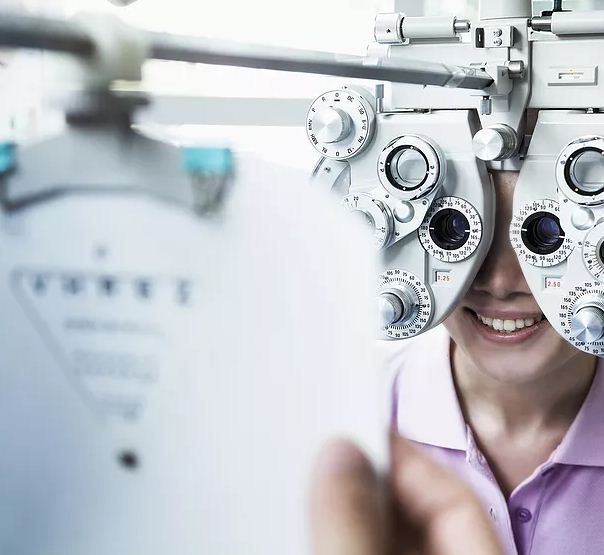
Benefits of an Eye Examamination
A comprehensive exam will include a full optometric eye exam of your vision and eye health. During this examination, various eye diseases or conditions can be found, such as:
1) Cataracts
2) Retinal detachments
3) Macular degeneration
4) Glaucoma
The health of our eyes can also inform us of additional health problems. Through the examination of eye pressure inside your eye, we can determine if you suffer from glaucoma and hypertension.
You will get satisfactory results by following the proper treatment of an optometrist. It will help you with a range of eye issues.
What can you expect during a comprehensive eye exam?
During your optometric eye exam, we will ask you many questions to learn more about your case history. For example, questions will clarify any past or present vision-related issues. We will also look at your visual needs – whether you are working from home or attending school. Knowing where and how you use your vision, will help us find the best solution for your vision needs.
After learning more about you, we will administer several tests that will measure the acuity and function of your eyes. It will include testing your near and distance vision.
A binocular vision assessment is vital in case of binocular issues. Moreover, the mentioned assessment helps measure your eye coordination and movements. We can also test you for colour blindness.
Eye Exam Procedure:
We will take a look both outside and inside your eyes through a non-invasive examination. We use a bio microscope and ophthalmoscope to perform these tests. In most cases, your pupils will be dilated, and this is to help us achieve a better view inside your eye/retina.
In addition, our optometrists also examine your pupil reactions. It helps them know about the neurological aspect of the visual system. The motility of your eyes and peripheral vision also can be examined in this step.
Should there be any other issues present, doctors can recommend you for various additional treatments. We may refer you to a specialist to examine these issues further.
At the end of the comprehensive examination, you will get a complete report from our optometrists. If you require any medical or surgical treatment, you will get proper guidance from us. Every year’s eye exam we will relate to your case history and examine any changes to your eye health.