Pinkeye: Symptoms, Treatments, and Home Remedies
You might be tempted to visit the doctor straight away if you or your child develops pinkeye. You might not, though.
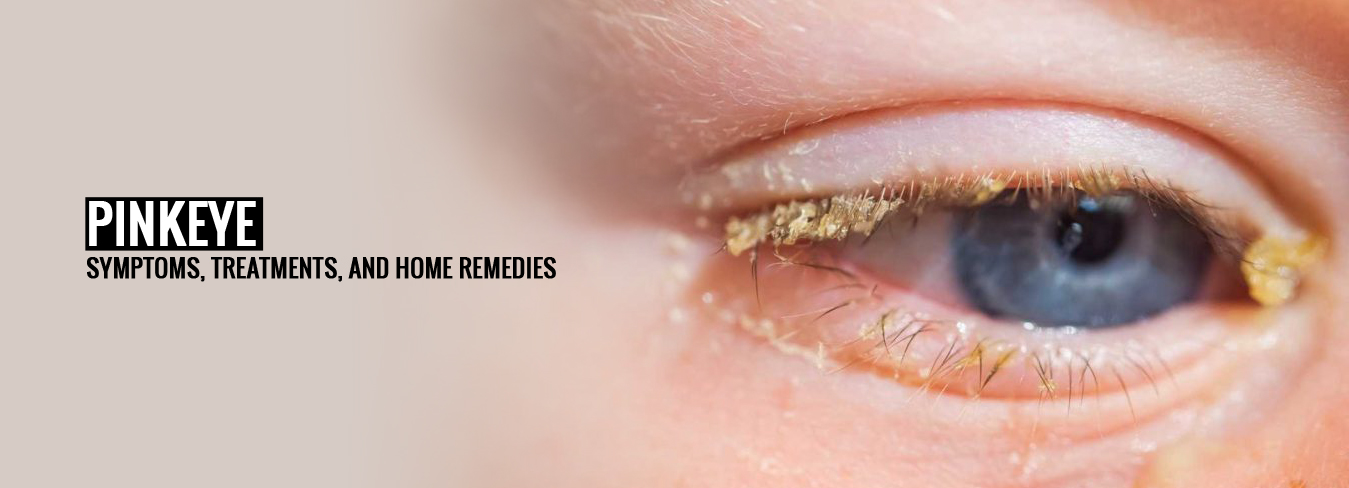
Pinkeye, also known as conjunctivitis, can be brought on by viruses, bacteria, and allergies. Your eyes get irritated and red, either one or both. The afflicted eye will shed tears often or have a whitish or yellowish discharge. The symptoms may persist for a week, ten days, or even longer, though they occasionally go away on their own.
Also Read: Five Common Eye Problems in Children & Their Remedies
Conjunctivitis (pinkeye) symptoms include:
- The white of the eye (s) becomes colored pink or red
- The thin membrane that lines the white of the eye and the inside of the eyelids, known as the conjunctiva, as well as the eyelids themselves, will swell
- Increased production of tears
- Feeling as though something foreign is in one’s eye(s) or have the impulse to rub one’s eye (s)
- Itching, burning, or irritation
- Discharge (mucus or pus)
- Eyelids or lashes that are particularly crusty in the morning
Home Remedies for Treating Various Types of Pinkeye
Whatever the cause of your pinkeye, there are a few easy steps you may follow to feel better:
Apply a Compress:
In cool water, soak a lint-free cloth. Press it gently against your closed eyes after wringing it out. You don’t want to harm your eyes, so don’t press too firmly. Keep the compress away from the healthy eye if you just have one affected by pinkeye since it could become infected too. If it makes you feel better, use warm water. Making it too hot, though, could exacerbate pinkeye or cause eyelid burns. Use a compress several times each day for a short period. Ensure that no one else is using the cloth.
Use eye drops:
The pinkeye itching can be reduced by over-the-counter drops. Look for “artificial tears” or “lubricating droplets.” Avoid those that cure “red eyes.” Your drops might feel even better if you keep them in the fridge.
Don’t use your contact lenses:
If you wear contacts, wait to put them in until your pinkeye is healed. Your case and lenses might need to be replaced later. You might be re-infected if there are bacteria or viruses present.
Treatment for Viral Pinkeye
A virus-induced case of pinkeye may begin in one eye and progress to the other. In a week or two, it will typically go on its own. To treat more severe infections like varicella zoster or herpes simplex, your doctor may prescribe medicine.
Treating Bacterial Pinkeye
If bacteria are the cause of your pinkeye, you’ll likely have more mucous or pus. Antibiotics, typically eye drops, can be prescribed by your doctor. In a few days, mild cases often heal on their own. Use a warm towel to relax your eyelids if the mucus is causing them to stick together.
Treating allergic pinkeye
In most cases, allergic pinkeye becomes better when you avoid the allergen or minimize your exposure to it. Tests might be administered by your doctor to pinpoint the issue.
Pinkeye from an allergy is not communicable. You don’t have to be concerned about transferring it to someone else if you go to work or school.
Wash your bedding and clothing frequently. Taking a bath or shower before bed may also be beneficial. Ask your doctor about any possible aiding medications.
They may suggest over-the-counter or prescribed medications like:
· Medications for allergies such as mast cell stabilizers or antihistamines
· Decongestants and other anti-inflammatory drugs.
When to Visit a doctor
A stye, which frequently resembles a pimple or a red patch on your eyelid, or some other type of inflammation could potentially be the reason for red or swollen eyes.
Another kind of allergic reaction might potentially be the cause. Consult a doctor if your pinkeye doesn’t improve after using home cures for a few days.
Additionally, you should consult your doctor if you have:
- Fever
- Pain
- alterations to vision
Conclusion
Take necessary precautions to prevent pinkeye from spreading to others if it has invaded your home. Everyone in your household should make the habit of frequent hand washing and aim to avoid touching their eyes. It also helps to wash your pillowcases and towels in hot water and replace them frequently. If someone has pinkeye, never share towels or pillows with them.