

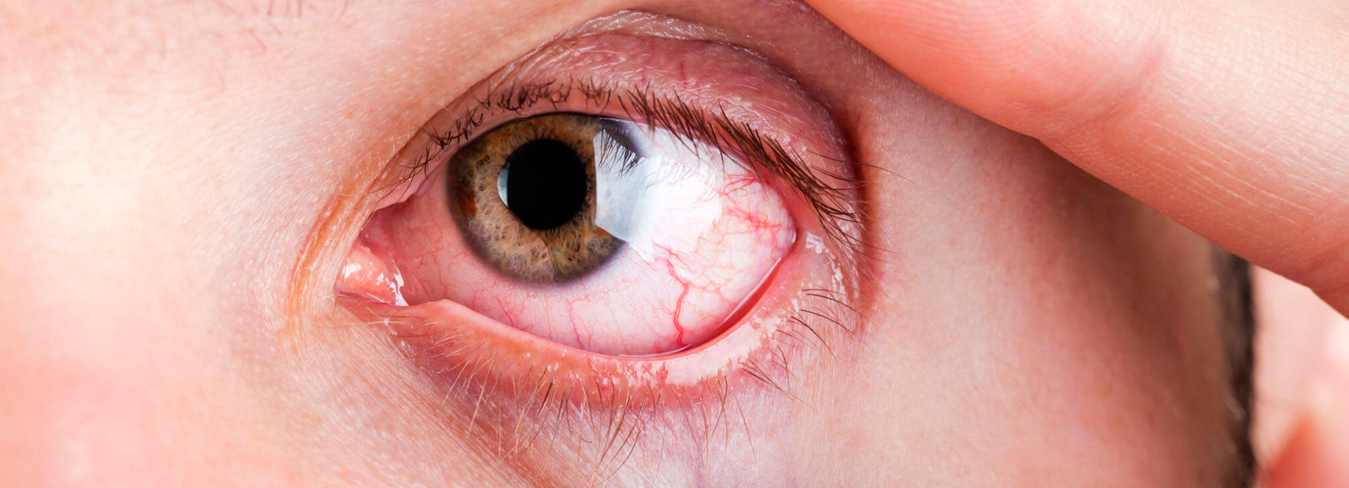
Tears serve a purpose beyond expressing emotions; they hydrate your eyes, ensuring cleanliness and overall eye health. A robust tear film is crucial for maintaining excellent vision. When your eyes don’t make enough tears to stay wet, you may experience dryness and itchiness in your eyes. This situation makes you a possible candidate for dry eye syndrome.
Dry Eye Syndrome – An Overview
The lacrimal gland, located just above your eyes, is the one that produces tears. This gland keeps your eyes wet and removes unwanted particles that enter your eyes. You will experience dry eye-related issues when this gland fails to do its job. Another reason is the fast drying up of tears. Further, if tears don’t work efficiently to keep your eyes moist, you will become vulnerable to dry eye. Visit an experienced optometrist for a detailed eye exam Toronto to diagnose and treat dry eye.
What Causes Dry Eye Syndrome?
Although men and women can get dry eye, it is more prevalent in women, particularly those who have undergone menopause. It is observed that people with diseases like lupus, Sjogren’s syndrome, rheumatoid arthritis, and thyroid issues are more susceptible to this condition. Overexposure to wind, smoke, and dry climate can cause dry eye. If your body does not have enough vitamin A, you are at risk for dry eye.
Other possible causes include
– Entropion and Entropion (Eyelid turning inward or outward)
– Blepharitis (Swollen or red eyelids)
– Sitting in front of a computer screen for a long time
– Excessing reading without blinking eyes
– Undergoing refractive eye surgery
– Overexposure to contact lenses
– Use of medications like antidepressants, diuretics, and sleeping pills
Dry Eye – Major Symptoms
The symptoms of dry eye can vary from occasional, mild discomfort to persistent irritation. Recognizable signs often include:
– Scratching sensation or itchy feel
– Stinging or burning sensation
– Excessive tearing and discharge
– Light sensitivity
– Redness in eyes
– Blurry vision
Diagnosis and Treatment of Dry Eye Syndrome
Your optometrist will perform an eye exam Toronto to diagnose and treat this condition. Mild issues are often treated with non-prescription eye drops, known as artificial tears. The optometrist will recommend prescription eye drops and anti-inflammatory medications for more stubborn symptoms.
Lifestyle changes are also essential to control dry eye-related issues. You can use warm compresses on your eyelids to get relief. Other options include using a dehumidifier, limiting screen time, and increasing water intake. Sometimes, the optometrist may recommend a dietary supplement like Omega 3 to ensure speedy recovery.
If your eyes dry up too fast, you may need to use tear duct plugs. Surgery becomes an inevitable choice when your dry eye discomforts are severe and complex to handle with medications and other options.