


Know how to choose the best optometrists in Toronto
It is important to choose these professionals carefully since the wide range of services they provide is of a critical nature. Optometrists not only provide vision care. They may test for glaucoma, cataract, and other eye diseases. They are instrumental in detecting systemic conditions like diabetes and high blood pressure, which affect the vision of patients.
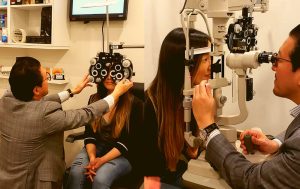
The actual process in which optometrists work
Optometrists refer patients to ophthalmologists or other doctors if needed. Optometrists prescribe medications in case of vision problems. Sometimes, they even provide post-operative care to patients who have had corrective surgery or cataract operations. Thus, patients who need to approach the optometrists for eyewear or vision problems must research the reputation and expertise of the practitioner to enjoy quality care.
Their specializations
Although optometrists specialize in primary eye care, some of them also specialize in particular fields like low vision therapy, pediatric eyewear, contact lenses, eyeglasses and so on. When a group of optometrists forms a group practice, with each member specializing in one area, they are able to provide patients with a comprehensive eye care program. For instance, some specialists may focus on eye wear for children while others specialize in eyewear for sportspersons and so on. Before you choose an optometrist from Littleton, Co, it is important to find out if they have the expertise in your desired field.
Optometrists and Ophthalmologists
An optometrist must not be confused with an ophthalmologist. An ophthalmologist is an MD, while an optometrist is an OD and would have completed 3 years of study at an accredited college before they begin their training. Before they start their practice, optometrists attend the optometry school where they complete 4 years of training. Some of them even take a master’s degree or higher in various branches of optometry. In a nutshell, accreditation and training are vital. The optometrist you opt for must have the necessary qualifications and training to give you the best possible care.
Finally, patients must find out more about the cost and logistics of the service. Optometry is becoming a highly specialized field, with different sections of people having different needs. Prices can vary, particularly in case of patients with special needs.