Colored Contact Lenses: Your Guide to Safe and Stylish Wear

Colored contact lenses

Is It Safe to Wear Colored Contact Lenses?

Who doesn’t like to add colors of fun and style to their lives? And that’s where adding colors to your eyes becomes a unique way to upgrade your look. But are you getting your colored contact lenses from the right place? Are they safe to use? We saw these questions coming and hence decided to answer them with our blog post for your safe vision. 

Are There Any Negative Effects of Colored Lenses? 

Let’s begin with the safety factor. Colored or costume contacts are safe if they are FDA-approved. But you should get it from a trusted place. For instance, if a well-known optometrist in Toronto prescribes colored contacts, they are safe to wear. And you must keep hygiene in mind while storing or inserting them. 

  • The contact solution must be fresh 
  • You must clean your hands before using them 
  • You should replace your contact lens after 3 months. 

Maintaining proper hygiene helps to avoid the dangers of eye damage or infection.  

What are the Various Types of Colored Contact Lenses? 

Always go for FDA-approved colored contact lenses that your eye doctor prescribes. Here are some varieties of colored contact lenses

  1. First, we have opaque tint lenses that lead to a complete eye color change. They are equally effective for dark-colored eyes. The common colors include black, red, purple, and blue. Cosplay, costume, and theatrical lenses are parts of this category. 
  2. Next comes enhancement tint lenses that boost or change your eyes’ natural color. These lenses are only effective for light-colored eyes. 
  3. Finally, we have sport tint lenses on the list. Their glare-reducing and contrast-boosting features make them great for sports. 

Why Should You Stay Away from Illegal Colored Contacts? 

One-size-fits-all packaging comes with false claims and can be dangerous for your vision. Everyone needs customized solutions for their colored contacts. Moreover, non-prescription colored contacts will likely lead to scratches, cuts, or eye infections. So, avoid spending time and money on non-prescription contacts. Instead, look for an experienced optometrist who offers precise contact lens fitting in Toronto and beyond.

What If Your Colored Contacts Are Causing an Eye Infection?

Unsafe or improper wearing of colored contacts can lead to eye irritation or infection. Some common infection signs include swelling and redness, blurred vision, discharge, sensitivity to light, and watery eyes. 

What Should You Avoid While Using Colored Contacts? 

  • Avoid wearing contacts if your eyes are swollen, red, or tired. 
  • It’s not a good idea to share your contact lenses with your friends or family. 
  • Avoid wearing colored contacts while showering or swimming. 
  • Wear your contacts as long as your optometrist recommends. 
  • Purchase contacts only from places where they ask for an eye doctor’s prescription.

Are There Any Dangers of Over-the-Counter Contacts? 

Seeing your optometrist first ensures the safe use of colored contact lenses. With proper eye examination and safety advice, these healthcare professionals decide what’s best for your eyes. So, as long as you depend on your prescription and choose FDA-approved lenses, you are choosing safety for your vision.

When Can Costume Contacts Lead to Eye Injuries?

Studies have shown that the risk of eye injuries increases with the following steps: 

  • Buying from novelty stores or costume shops without a prescription leads to issues like redness, swelling, and pain.
  • Borrowing a friend’s lenses also increases the chances of eye injuries. 
  • Any delays in treatment after eye injuries or not following proper hygiene may cause more complications.

Optometric Eye Exam and Contact Lens Fitting in Toronto

Finally, everything depends on your decision to keep your vision safe while choosing colored contact lenses. Follow the proper steps, stay away from a non-prescription approach, and choose the best place optical vision center for contact lens fitting in TorontoYour eyes will thank you! 

How to Fix Blurry Vision Naturally? Explore the Ultimate Guidance from Experts

how to fix blurry vision naturally

How to Fix Blurry Vision Naturally?

Having blurry vision makes your eyesight distorted and keeps things out of focus. That’s when you have difficulty seeing finer details all around you. But are you wondering how to fix blurry vision naturally? Or should you only focus on a medical treatment or an eye exam? We have answers to all these questions! So, keep reading!

When to Consider Natural Treatment Options?

Treating blurry vision varies depending on what’s causing it. Sometimes, you can address certain causes naturally by changing your lifestyle or trying home remedies. Let’s look at a few of these options. 

Eye Allergies: Blurry vision is often a result of allergies. That’s because they lead to irritation and eye itchiness. Another term for eye allergy is allergic conjunctivitis. These eye allergies can also cause nasal congestion, sneezing, or runny nose. 

Dry Eyes: Sometimes, it’s dry eyes that cause blurry vision, usually while waking up in the morning. Moreover, things can get worse due to the dry climate. Other causes of dry eyes include prolonged screen time without blinking and staying asleep wearing contact lenses. 

Corneal Abrasion: Any scratch or injury in your cornea leads to corneal abrasion. Foreign objects like sand, dust, or dirt can be one of those most possible causes other than chemical burns, or fingernail scratches. You don’t need to worry about smaller abrasions. However, larger ones require medical attention. 

The strain on Eyes: Longer screen time causes digital eye strain and may lead to blurry vision. 

Colder Temperatures: Freezing weather can constrict the blood vessels in your eyes, causing blurry vision.

When the Medical Attention is Mandatory?

Several causes of blurry vision demand immediate attention from a trusted optometrist in TorontoThey are as follows.

Conjunctivitis: Conjunctivitis is a common cause of blurry vision, eye pain, or itchiness. It refers to the infection on your eye’s outer wall. Allergies, bacteria, or viruses can lead to conjunctivitis and require an eye exam. 

Refractive Errors: Nearsightedness, farsightedness, loss of focus on closer things, or distorted vision comprise refractive errors. They usually require contacts or eyeglasses and surgical intervention in certain cases.

Diabetes: Diabetes often leads to diabetic retinopathy, progressively damaging your retina’s blood vessels. This condition demands eye treatment and blood sugar medications. 

High Blood Pressure: High blood pressure can cause hypertensive retinopathy, restricting your retina’s blood vessels. This condition obstructs blood flow and causes damage to those blood vessels and blurry vision. 

Graves’ Disease: This thyroid disease can lead to double or blurry vision upon delaying the treatment. 

One Common Myth –

Many people talk about several eye exercises for healthy vision. However, these back-and-forth eye-rolling exercises are less likely to overcome blurry vision (least scientific evidence). 

What Might Help You in Blurry Vision? 

Eye Lubrication: Massaging your eyelids with a warm compress or having occasional blinks might help during blurry vision. 

Having Enough Rest: Our sensitive eyes need enough sleep and breaks while using screens for longer hours. 

Say No to Smoking: Smoking often causes cataracts, damages the optic nerve, and leads to other eye complications. 

Better Air Quality: Staying in drier climates would cause dry eyes. You can use a humidifier and restrict airflow directly on your face.

Omega 3 and Vitamin A: Taking omega-3 fatty acids may help relieve symptoms of dry eyes. Algae, walnuts, and flax seeds are some rich sources of these fatty acids. Likewise, taking enough Vitamin A may help avoid blurry vision. These vitamins are found in red peppers, sweet potatoes, dairy, and others.

The Right Time to See an Eye Care Specialist 

Seeing an optometrist becomes mandatory under the following conditions: 

  • Blurriness persisting or getting worse
  • Blurry vision after a head injury 
  • Speaking difficulties 
  • Poor muscle control over your body’s one side 
  • Facial drooping 
  • Unbearable headache 

An Experienced Optometrist is One Appointment Away

Are you looking for an experienced optometrist in Toronto to address blurry vision? Let our specialists examine your eyes and guide you toward the right treatment. Get a clear vision every day! 

What Causes Astigmatism to Worsen? Understanding the Reasons Behind Astigmatism Progression

What causes astigmatism to worsen

What Causes Astigmatism to Worsen? Understanding the Reasons Behind Astigmatism Progression

Astigmatism is a vision problem that affects millions of people in Canada. The cornea and lens are two integral parts of your eyes to keep your vision optimally healthy. Astigmatism is a condition that affects adults and children with an irregularly shaped cornea or lens. What causes astigmatism to worsen? Let us explore the most prominent reasons that deteriorate this condition.

Understand the Causes of Astigmatism

Do you have a blurry vision at every distance? A detailed eye exam reveals whether you are experiencing astigmatism-related issues. The usual spherical form of cornea or lens changes to an irregular shape like a football. This situation makes you vulnerable to astigmatism. This irregular shape leads to uneven refraction of light. Under normal circumstances, the light focuses on the retina to keep your vision perfect. Astigmatism does not let this happen and makes your vision blurry. In addition to blurriness, you may experience squinting, headache, eye strain, or discomfort.

Now, coming back to the point, what causes astigmatism to worsen? Several factors can exacerbate this condition.

Age-Related Eye Condition

Aging deteriorates your overall vision quality. It also worsens astigmatism to cause more complications. Many children with astigmatism may overcome this condition as they grow older. However, it may resurface after the age of 25 or beyond

As mentioned above, the natural deterioration of eye health due to aging often leads to many other issues, including glaucoma, macular degeneration, and presbyopia. The condition of astigmatism worsens with these complications. So, consult an experienced optometrist in Toronto to perform a detailed eye exam to evaluate the current health and take corrective measures.

Keratoconus

Several eye complications can worsen astigmatism. The perfect example is Keratoconus. This condition results in the cornea bulging out in a cone shape. It is a condition that makes your cornea thinner and weaker. Therefore, the added adverse impact on your cornea worsens astigmatism to cause more critical eye complications. A detailed exam will help you assess the condition of your eyes and take the necessary steps to prevent serious complications.

Eye Surgeries

Eye surgery may deteriorate your astigmatism. Sometimes, astigmatism may emerge as a side effect of cataract surgery. Further, it can worsen your existing astigmatism. The ophthalmic surgeon cuts through the cornea during cataract surgery, potentially impacting the corneal curvature and exacerbating astigmatism.

Eye Injury or Trauma

Eye injuries or trauma can cause astigmatism to worsen. Your eyes are a highly sophisticated organ that makes you see the world. Always use protective eyewear to prevent injuries.

These injuries often lead to scarring and damage to your cornea. Further damage to the cornea aggravates the existing astigmatism to cause more problems. If you experience any complications, seek the help of an experienced optometrist in Toronto to conduct a detailed examination of your eyes.

Final Words on What causes astigmatism to worsen

These are the prominent reasons that deteriorate your astigmatism and cause more critical complications. Eye issues need to be handled carefully. Irresponsible methods can even lead to vision loss. Therefore, look for a knowledgeable optometrist in Toronto to perform a comprehensive eye exam to evaluate the condition of your eyes.

Blue Light Blocking Glasses – Is It Worth the Hype?

different-blue-light-protecting-glasses

Blue Light Blocking Glasses – Is It Worth the Hype?

The past few years have witnessed a substantial spike in the demand for blue light blocking glasses. There is nothing illogical about the fast-rising popularity of these products. The all-encompassing digitalized global paradigm is an inescapable reality. Digital screens reign supreme in this modern world. Consequently, the constant reliance on digital gadgets and screen time has increased multiple times. The adverse effects of extended exposure to blue light emitted by digital screens have become an alarming source of concern. Blue light glasses work as a protector, filtering out harmful blue light to mitigate the negative impact on your eyes.

Are Blue Light Blocking Glasses Worth It?

Don’t assume that blue light glasses are the ultimate solution for eye strain and other blue light exposure-related issues. There are mixed opinions about the overall efficiency of these glasses. Research studies are currently underway that analyze how blue light glasses interfere with the adverse effects of digital screen exposure. However, many existing users say that these glasses enhance their vision and reduce glare when using digital screens.

different-blue-light-protecting-glasses

What are The Different Types of Blue Light Blocking Glasses?

You can find three different types of lenses based on the lens tint type.

  • Clear
    Are you sensitive to color distraction? Clear blue light blocking glasses are the best choice. Further, these products are suitable for daytime use. They don’t interfere with the natural look of colors. You can expect 20 to 30% blue light blocking capability with them.
  • Yellow/Orange
    Expect a slight yellow tint when using these glasses. If you spend considerable time in front of digital screens, yellow/orange glasses are the most convenient option. The light blocking capability of these products is between 30 and 50%.
  • Red
    The red glasses are the best option available for nighttime use. They block blue light up to 90% to ensure the best protection. In general, you can expect them to block light around 80%.

Seek the help of an optometrist to perform an eye exam in Toronto to decide which type suits your needs. Experienced professionals will recommend the best glasses after assessing your eye condition, requirements, and budget.

Explore Various Frame Designs

Another classification can be done based on the frame style. The most popular option is the regular version. Available in various styles, from classic to trendy, they make the perfect choice for daily use.

Do you wear prescription glasses currently? Then, buy the clip-on version or fit-over category that can be attached to the existing prescription glasses. The fit-over type provides more coverage than clip-on glasses. If your current glasses are large-sized, select the fit-over version to enjoy maximum protection.

Other general variations of blue light glasses include
– Computer glasses
– Gaming glasses
– Fashion glasses
– Kids glasses

Customized Prescription Blue Light Blocking Glasses

Do you need vision correction? Then, choose prescription blue light blocking glasses. An optometrist will conduct a detailed eye exam in Toronto before recommending the best glasses. These are customized glasses with enhanced blue light filtering benefits.

How to Find Your Perfect Fit?

Assess your needs vigilantly before making a decision. Here are the most important things you should look into:

  • How much blue light protection do you need? Think about your daily exposure to blue light when making a decision. There are products with varying blue light filtering capabilities. Select a suitable one according to your unique requirements.
  • What style, size, and shape do you prefer? It depends on your personal preferences.
  • Check the material carefully. Ensure that the frames and lenses are made using top-quality materials. The material quality decides the comfort and longevity of the glasses.
  • What is the price of the blue light glasses you plan to purchase? Select one that stays within your budget and offers the best value for money.

Remember that blue light blocking glasses cannot replace proper eye care practices. Although these glasses alleviate the common symptoms of eye strain due to digital screen time, they don’t solve the root causes to deliver permanent solutions. Therefore, seek the help of an optometrist in Toronto if you experience severe eye strain to identify the underlying issue. Further, experienced professionals will help you choose the best glasses that guarantee maximum eye protection.


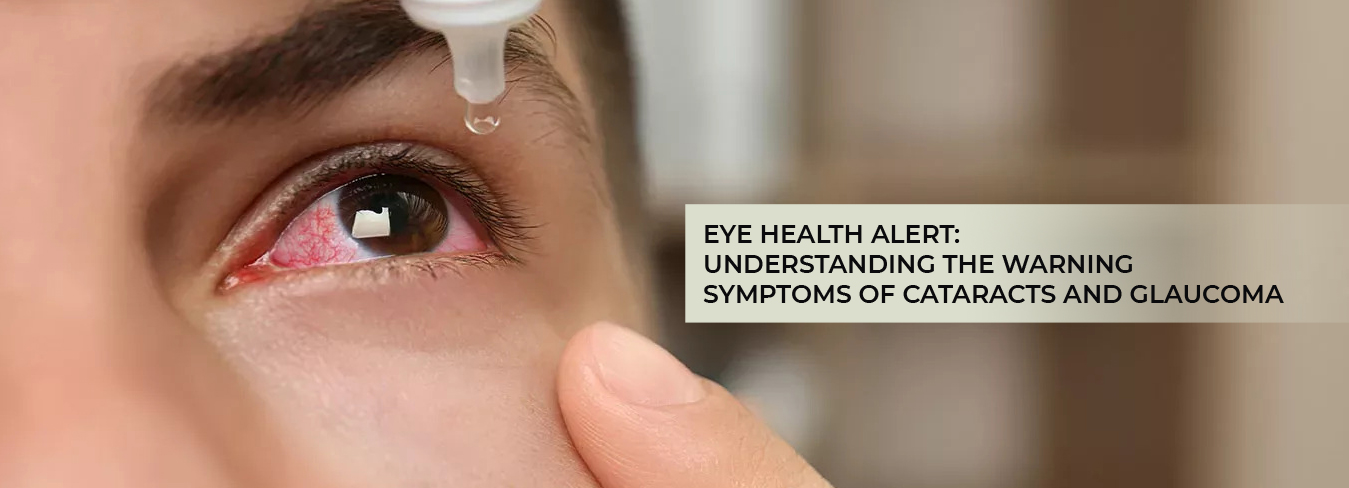
Eye Health Alert: Understanding the Warning Symptoms of Cataracts and Glaucoma

Symptoms of cataracts and glaucoma

What are the Symptoms of Cataracts and Glaucoma?

Cataract is a vision-threatening condition that deteriorates gradually to cause blindness. Glaucoma is also a vision-compromising problem that can lead to blindness if left untreated. You may become vulnerable to these conditions at any age. However, they are most prevalent among aged people. What are the symptoms of cataracts and glaucoma? Let us delve into this topic and understand the facts.

Symptoms of cataracts and glaucoma

Cataracts – An Overview

Cataracts are pretty common in older people. This condition occurs when proteins cloud the crystalline lens in your eyes. Seeing through a cloudy lens affects the quality of your vision. Since cataracts develop gradually, you may not notice this problem early on. Over time, you will experience difficulty in reading, driving at night, and other vision-related issues. You must opt for a full optometric eye exam even when noticing minor vision problems.

Symptoms of Cataracts

Most people experience a dim, blurry, or cloudy vision. Night blindness is a highly prevalent symptom among cataract patients. Other common symptoms include light sensitivity, glare sensitivity, halos around lights, colour fading, frequent changes in eyeglass prescription, and double vision in one eye.

Glaucoma – An Overview

When excessive fluid pressure builds up in your eyes, you will become vulnerable to glaucoma. A fluid known as aqueous humor is what increases the pressure. This condition affects your optic nerve and leads to critical vision-related issues and even blindness gradually. In fact, overproduction or draining of aqueous humor through the tissues results in intraocular pressure, causing damage to the optic nerve.

In the initial stage, proteins cloud only a tiny part of your lens. As the condition worsens, clouding becomes widespread and deteriorates your eye health. Eventually, it causes blindness. So, don’t wait for this condition to deteriorate. Seek the help of an optometrist to address the problem immediately.

Symptoms of Glaucoma

The common symptoms of glaucoma are redness in the eye, seeing halos around lights, blurred vision, vomiting and nausea, eye pain, severe headache, and tunnel vision. If you notice any of these symptoms, visit an experienced optometrist to conduct a full optometric eye exam.

What are the Symptoms of Cataracts and Glaucoma? – Common Ones

Blurred vision is a common symptom of cataracts and glaucoma. Other shared symptoms include reduced night vision and halos around the light. The fundamental difference between cataracts and glaucoma is the affected eye area. Cataract affects the lens in the front part of the eye. On the other hand, glaucoma damages the optic nerve located in the back of the eye. An optometrist is the best person available to deliver permanent solutions to these problems.

A Comprehensive Guide to Dry Eye Syndrome: Understanding the Condition and Effective Treatments

Dry Eye Syndrome

Tears serve a purpose beyond expressing emotions; they hydrate your eyes, ensuring cleanliness and overall eye health. A robust tear film is crucial for maintaining excellent vision. When your eyes don’t make enough tears to stay wet, you may experience dryness and itchiness in your eyes. This situation makes you a possible candidate for dry eye syndrome.

Dry Eye Syndrome – An Overview

The lacrimal gland, located just above your eyes, is the one that produces tears. This gland keeps your eyes wet and removes unwanted particles that enter your eyes. You will experience dry eye-related issues when this gland fails to do its job. Another reason is the fast drying up of tears. Further, if tears don’t work efficiently to keep your eyes moist, you will become vulnerable to dry eye. Visit an experienced optometrist for a detailed eye exam Toronto to diagnose and treat dry eye.

What Causes Dry Eye Syndrome?

Although men and women can get dry eye, it is more prevalent in women, particularly those who have undergone menopause. It is observed that people with diseases like lupus, Sjogren’s syndrome, rheumatoid arthritis, and thyroid issues are more susceptible to this condition. Overexposure to wind, smoke, and dry climate can cause dry eye. If your body does not have enough vitamin A, you are at risk for dry eye.

Other possible causes include

– Entropion and Entropion (Eyelid turning inward or outward)
– Blepharitis (Swollen or red eyelids)
– Sitting in front of a computer screen for a long time
– Excessing reading without blinking eyes
– Undergoing refractive eye surgery
– Overexposure to contact lenses
– Use of medications like antidepressants, diuretics, and sleeping pills

Dry Eye – Major Symptoms

The symptoms of dry eye can vary from occasional, mild discomfort to persistent irritation. Recognizable signs often include:
– Scratching sensation or itchy feel
– Stinging or burning sensation
– Excessive tearing and discharge
– Light sensitivity
– Redness in eyes
– Blurry vision

Diagnosis and Treatment of Dry Eye Syndrome

Your optometrist will perform an eye exam Toronto to diagnose and treat this condition. Mild issues are often treated with non-prescription eye drops, known as artificial tears. The optometrist will recommend prescription eye drops and anti-inflammatory medications for more stubborn symptoms.

Lifestyle changes are also essential to control dry eye-related issues. You can use warm compresses on your eyelids to get relief. Other options include using a dehumidifier, limiting screen time, and increasing water intake. Sometimes, the optometrist may recommend a dietary supplement like Omega 3 to ensure speedy recovery.

If your eyes dry up too fast, you may need to use tear duct plugs. Surgery becomes an inevitable choice when your dry eye discomforts are severe and complex to handle with medications and other options.

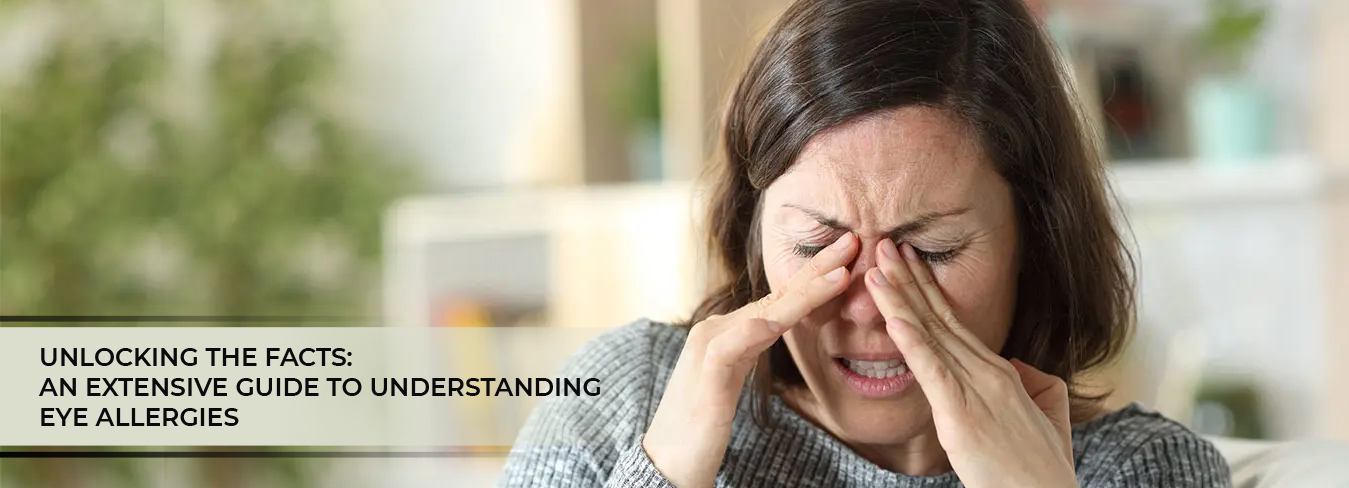
Unlocking the Facts: An Extensive Guide to Understanding Eye Allergies

Eye allergies

Do you feel an itching sensation in your eyes associated with redness? Then, you may be a victim of eye allergy. Some people experience a burning or tearing sensation. Also known as allergic conjunctivitis, eye allergies are a common issue that affects numerous people in Canada.

Eye allergiesWhat Causes Allergies in Your Eyes?

Do you know that the outer covering of your eyes, conjunctiva, is a sensitive area? As allergens or irritants enter your eyelid, they irritate the conjunctiva. Consequently, you will experience inflammation in your eyes.

Your immune system responds whenever harmful external invaders enter your body. If you are vulnerable to allergies, your body will react instantly, mistaking irritants as dangerous substances. How does your body react? It produces antibodies to fend off the intruders.

In response, the mast cells in your conjunctiva discharge a chemical known as histamine. It triggers the swelling of blood vessels in your eyes to cause redness and itching.

Triggering Factors

When airborne allergens enter your eyes, you are a potential candidate for eye allergies. It can be indoor allergens like mold spores, pet dander, and dust mites. Outdoor allergens such as wood pollen, trees, and grass can also make you vulnerable to these allergies. In addition, perfumes, smoke, soaps, contact lenses, and cosmetics can also lead to allergic reactions.

What are the Symptoms?

The most common symptoms include redness, itchiness, burning sensation, and swelling. You may also experience watery eyes, higher sensitivity to light, and blurry vision. In addition, many people feel that something like dirt or grit has gone into their eyes.

How to Manage or Prevent Eye Allergies?

You can prevent eye allergies to a certain extent if you don’t expose yourself to allergens and other triggers. It may not be possible for you to stay 100% protected against them. However, you can follow some steps to minimize the exposure.

– Use a dehumidifier to get protection against mold
– Wear sunglasses when going outside
– Add an HEPA filter to your air conditioner and vacuum cleaner
– Opt for mite-proof covers on pillows and mattresses
– Clean contact lenses regularly
– Close windows when the presence of external irritants is high
– Clean hands after interacting with pets
– Reduce or avoid the use of carpets

Seek the help of an optometrist in Toronto if the symptoms do not subside after one week. The optometrist will perform the necessary eye exam before recommending a treatment plan. The treatment options for eye allergies include over-the-counter drops and medications, prescription allergy drops, and sublingual immunotherapy.

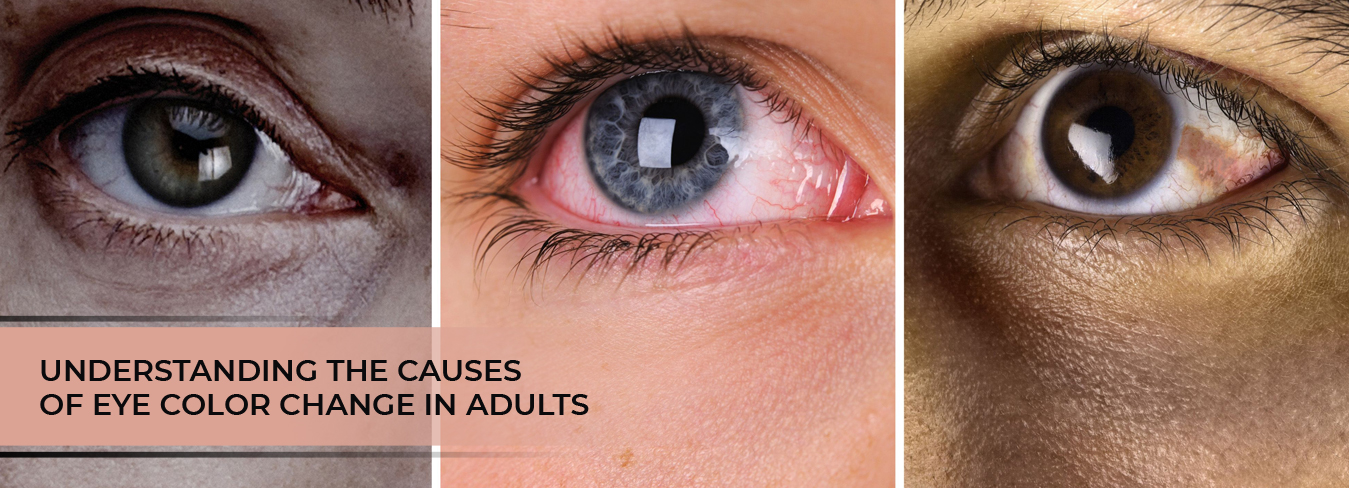
Understanding the Causes of Eye Color Change in Adults

understanding-the-causes-of-eye

The color of the eyes makes an individual unique. Does it change? You can notice color changes in the eyes of babies. Melanin is the pigment accountable for imparting color to the eyes. Infants are born with low levels of melanin. The iris of a baby produces more melanin with increased sunlight exposure. What about adults? Eye color change in adults is not a natural process. It might be the consequence of an underlying health concern.

understanding-the-causes-of-eyeGenetic Traits of Parents Decide Your Eye Color

The genetic traits of parents are an influential factor in determining the color of the eyes. How much melanin is available in the front layer of your iris? Having brown eyes stipulates that your iris possesses a greater concentration of melanin. The amount of melanin is considerably lesser in the iris of blue-eyed people.

Influential Factors Resulting in Eye Color Changes in Adults

As mentioned above, eye color change in adults is not a natural phenomenon. It could be an indication of a deeper problem. Here are the most prominent reasons that cause a color change in adults.

Medications

Some medications may change the eye color in adults. Long-term use of glaucoma medications such as prostaglandins makes your eyes darker. That is to say, these medications darken the iris to change the natural color of your eyes.

Size of Pupils

The color of your eyes may look different based on the size of the pupil. If you have smaller pupils, the eye color may appear lighter. On the contrary, widened pupils lend a darker color to your eyes.

Eye Diseases and Injuries

Check for eye diseases if you notice a color change. For example, Horner’s syndrome can cause depigmentation to trigger color change. FHI also develops the same condition to alter the color.

Also, injuries may lead to an eye color change. If your iris gets damaged, you may experience tissue loss. In such a situation, your eyes may achieve a slightly different color. So, look for an eye injury when noticing a color change.

Acquired Heterochromia

The irises of some people may develop two different colors. In some people, it could be more than one color in a single iris. These conditions are known as Acquired Heterochromia. What causes this condition? The most likely reasons include diabetes mellitus, iris ectropion syndrome, ocular melanosis, and uveitis. An optometrist is the most qualified person to diagnose these conditions.

Overexposure to Sunlight Affecting Eye Color

Overexposure to sunlight can change your eye color. Exposure to excessive sunlight can lead to a deepening of the color of irises. Freckles form as an outcome of this darkening process. Small brown spots on the irises are called Irish freckles. Large freckles or dark growths, known as Iris nevi, are similar to moles. Generally, these spots don’t impact your eye health adversely. However, some of them can make you vulnerable to cancer. Therefore, seek professional help to check the present condition of your freckles.

Do you notice a significant color change in your eyes? It could be a sign of an underlying health problem. Don’t hesitate to seek professional help to identify the reason. Visit an optometrist in Toronto to get your eyes checked immediately.

Experiencing Dry Eye Syndrome? Explore the Signs, Possibilities, and Treatments

Dry Eye

Experiencing Dry Eye Syndrome? Explore the Signs, Possibilities, and Treatments

Do you know that dry eye is a multifactorial disease? Yes, numerous possibilities can be associated with this condition. A smooth and stable tear film is essential for clear vision. Three layers of this film work hard to keep your eyes moist and healthy. Any disruption to your tear film leads to dry eye syndrome.

In simple terms, inadequate or poor-quality tears cause dry eyes. The risk factors can be complex as well. Before delving into the causes, symptoms, and treatments, let us discuss the three types of dry eye diseases.

Aqueous Deficient, Evaporative and Mixed Dry Eye

The lacrimal gland is the one that produces aqueous tears. Aqueous deficiency occurs when your lacrimal gland fails to produce adequate tears.

The tear film of your eyes contains three layers, oily, watery, and mucus. Tear evaporation occurs when an oily layer of your tear film does not work efficiently and becomes unstable.

Some people experience a mix of tear film instability and aqueous tears deficiency. Therefore, this condition is known as mixed dry eye.

What Causes Dry Eye Syndrome?

Now, let us discuss the causes of this condition in detail. Several factors can lead to insufficient production or poor-quality tears.

Aging is a common factor. Also, women tend to be more vulnerable to this condition than men. The hormonal changes during pregnancy and menopause contribute to their increased susceptibility. Illnesses or medical conditions like diabetes, Sjogren’s syndrome, rheumatoid arthritis, Graves’ disease, lupus, scleroderma, and thyroid disorders can increase eye dryness. Further, extended screen time cultivates poor blinking habits to cause dryness.

Overexposure to contact lenses or improper lenses also causes dry eyes. In addition, certain medications, including tranquilizers, diuretics, ulcer medications, antihistamines, decongestants, antidepressants, some birth control pills, and blood pressure medications may lower tear production.

Furthermore, dry indoor environments make you more susceptible to dry eyes. Last but not least, overexposure to wind, air-conditioning, and smoke can trigger dryness in your eyes.

Dry EyeSymptoms

Do you experience eye discomfort or fatigue after using screens or reading for a long time? If yes, you can suspect tear deficiency. The most common symptoms include:
– Burning or stinging sensation in eyes
– Eye redness or soreness
– Light, wind, or smoke sensitivity
– Stringy mucus in and around eyes
– Blurred or double vision
– Watery eyes
– Foreign body sensation in the eyes
– Eyelids sticking together in the morning
– Discomfort when wearing contact lenses

If you notice some of these symptoms, go for an eye exam Toronto immediately. Early detection and treatment make the recovery more effective and sustainable.

Treatment Options

The primary focus of dry eye treatment is to relieve symptoms, thereby enhancing tear quality and quantity. Protecting the ocular surface is also an essential aspect of treatment.

The most popular treatment solutions include artificial tears, punctal plugs, nutritional supplements, and prescription medications. Further, you can use warm compresses to increase the tear flow. Lid hygiene is also a critical aspect. In severe cases, doctors recommend anti-inflammatory medications. Surgery is also a possible option to close the tear ducts and enhance eyelid function.

You must consult an optometrist in Toronto before choosing a treatment plan. After identifying the underlying reason, an optometrist will develop a customized treatment package that suits your needs.

Everything You Must Know about Eye Exam for Diabetic Patients

Eye-exam

Diabetic patients should never undermine the importance of an eye exam. As we all know, diabetes is a debilitating disease that increases your risk of eye complications, including cataracts, glaucoma, and retinopathy over time. Unattended problems may lead to critical damage, like permanent vision loss. Early detection and treatment are crucial in safeguarding your eye health.

Comprehensive Optometric Eye Exam is Essential for Diabetic Patients

Perform a comprehensive optometric eye exam to determine your current eye health. It reveals whether you suffer from cataracts, retinal detachments, macular degeneration, glaucoma, or other eye-related complications. What to expect with a comprehensive eye test? It involves several steps to assess the accurate condition of your eyes.Eye-exam

Visual Acuity Exam and Visual Field Test

Visual acuity exam is a primary test to check your vision. The optometrist will ask you to read letters and signs placed near and far away places.
The visual field test analyzes your efficiency to see objects on both sides. Don’t move your eyes when undergoing this test.

Muscle Function Eye Exam

What is the purpose of this test? As the name suggests, it identifies problems with the muscles around your eyeballs. The optometrist will move an object in front of your eyes. You must follow it with your eyes.

Pupil Response Test

How does the light enter your eyes? This is the objective of the pupil response test. After directing a flashlight into your eyes, the optometrist will check how your pupils react to the light.

Tonometry Eye Exam

The tonometry test offers more insightful information on the impact of diabetes on your eyes. How is it performed? A puff of air is blown into your eyes using a machine. Otherwise, your optometrist will use a special tool to touch your eyes. These two methods check the pressure in your eyes. Don’t worry about pain or other discomforts. They are painless procedures.

Pupil Dilation Test

It is an essential part of a comprehensive eye exam. To widen or dilate your eyes, the doctor will put special eye drops into your lower eyelids. You should wait at least 30 minutes for these special eye drops to work.

The pupil dilation eye test lets more light enter your eyes. It gives a clear view of the inner structures of your eyes, including the retina, blood vessels, and optic nerve. Don’t worry about side effects like light sensitivity and blurred vision. These symptoms will go away after a few hours.

Fluorescein Angiography and Optical Coherence Tomography

The optometrist will recommend tests like fluorescein angiography and optical coherence tomography if further evaluation is needed to identify your eye problem. What is a fluorescein angiography test? It is the process of injecting a special dye into your arm. The dye will reach your eyes after passing through your bloodstream to identify blood vessel damage.

Optical coherence tomography is an imaging test that captures the thickening or thinning of blood vessels in your retina. It is one of the most effective methods to identify the impact of leaking fluid on the retina.

Never undermine the importance of an eye exam if you are a diabetic patient. You may have to pay a heavy price for your negligence. Perform your eye test annually to maintain good eye health. You can seek the help of an experienced optometrist in Toronto to perform your eye test. A comprehensive eye examination is the first step to protect your eye against diabetes-related complications.