Your First Contact Lens Fitting Guide: What’s the Experience Like?

Contact Lens Fitting Guide

Excited about your new contact lenses? Your anticipation is understandable! However, ensuring a proper fit is crucial for comfort and eye health. This contact lens fitting guide will walk you through the process, helping you understand what to expect and why it matters.

Guide for Your Vision: The Importance of Proper Lens Fitting

Finding the right contact lenses is like finding the perfect pair of shoes; a proper fit is essential. A well-fitted lens promotes comfort and helps avoid issues like dry eyes and vision problems. This contact lens fitting guide emphasizes that the fit of your lenses is paramount to your overall eye health.

Glasses Vs Contacts: What’s the Difference?

Don’t you think that eye and contact lens exams are the same? You will find some similarities between them. Both focus on your vision and eye health. However, the focus of the contact lens exam remains narrow. That’s because this exam accesses eye problems only related to contact lenses. Then comes the prescription difference because of the distance from the eye and lens shape.

The Contact Lens Fitting Exam: A Step-by-Step Guide

A contact lens exam includes a few standard steps. Your optometrist may also recommend a few extra tests. You can mostly expect two steps during your contact lens fitting.

Step 1: Your Eye Shape

A keratometry scan helps measure the shape and curvature of your cornea. It also shares a lot about the cornea’s health and lens power. This scan will help your optometrist decide on the lens type and fit.

Step 2: Size of Your Iris and Pupil

You may have a pupil larger or smaller than the average size. Before you have a standard contact lens, your eye doctor will think about pupil and iris alignment. That will decide your clarity of vision.

Fitting Your Vision: The Contact Fitting Process

Once your eye health is assessed, your optometrist will help you select the appropriate lens types based on this contact lens fitting guide. You may need an adjustment period to get used to your new lenses. During the fitting, your optometrist will check the lenses, and a follow-up appointment will ensure you feel comfortable before finalizing your prescription.

Contact Lens Fitting: Is It on Your To-Do List?

Considering skipping the contact lens fitting? Think again! The fit significantly impacts both comfort and prescription effectiveness. Refer to this contact lens fitting guide to understand the importance of getting fitted by a trusted optometrist in Toronto.

Colored Contact Lenses: Your Guide to Safe and Stylish Wear

Colored contact lenses

Is It Safe to Wear Colored Contact Lenses?

Who doesn’t like to add colors of fun and style to their lives? And that’s where adding colors to your eyes becomes a unique way to upgrade your look. But are you getting your colored contact lenses from the right place? Are they safe to use? We saw these questions coming and hence decided to answer them with our blog post for your safe vision. 

Are There Any Negative Effects of Colored Lenses? 

Let’s begin with the safety factor. Colored or costume contacts are safe if they are FDA-approved. But you should get it from a trusted place. For instance, if a well-known optometrist in Toronto prescribes colored contacts, they are safe to wear. And you must keep hygiene in mind while storing or inserting them. 

  • The contact solution must be fresh 
  • You must clean your hands before using them 
  • You should replace your contact lens after 3 months. 

Maintaining proper hygiene helps to avoid the dangers of eye damage or infection.  

What are the Various Types of Colored Contact Lenses? 

Always go for FDA-approved colored contact lenses that your eye doctor prescribes. Here are some varieties of colored contact lenses

  1. First, we have opaque tint lenses that lead to a complete eye color change. They are equally effective for dark-colored eyes. The common colors include black, red, purple, and blue. Cosplay, costume, and theatrical lenses are parts of this category. 
  2. Next comes enhancement tint lenses that boost or change your eyes’ natural color. These lenses are only effective for light-colored eyes. 
  3. Finally, we have sport tint lenses on the list. Their glare-reducing and contrast-boosting features make them great for sports. 

Why Should You Stay Away from Illegal Colored Contacts? 

One-size-fits-all packaging comes with false claims and can be dangerous for your vision. Everyone needs customized solutions for their colored contacts. Moreover, non-prescription colored contacts will likely lead to scratches, cuts, or eye infections. So, avoid spending time and money on non-prescription contacts. Instead, look for an experienced optometrist who offers precise contact lens fitting in Toronto and beyond.

What If Your Colored Contacts Are Causing an Eye Infection?

Unsafe or improper wearing of colored contacts can lead to eye irritation or infection. Some common infection signs include swelling and redness, blurred vision, discharge, sensitivity to light, and watery eyes. 

What Should You Avoid While Using Colored Contacts? 

  • Avoid wearing contacts if your eyes are swollen, red, or tired. 
  • It’s not a good idea to share your contact lenses with your friends or family. 
  • Avoid wearing colored contacts while showering or swimming. 
  • Wear your contacts as long as your optometrist recommends. 
  • Purchase contacts only from places where they ask for an eye doctor’s prescription.

Are There Any Dangers of Over-the-Counter Contacts? 

Seeing your optometrist first ensures the safe use of colored contact lenses. With proper eye examination and safety advice, these healthcare professionals decide what’s best for your eyes. So, as long as you depend on your prescription and choose FDA-approved lenses, you are choosing safety for your vision.

When Can Costume Contacts Lead to Eye Injuries?

Studies have shown that the risk of eye injuries increases with the following steps: 

  • Buying from novelty stores or costume shops without a prescription leads to issues like redness, swelling, and pain.
  • Borrowing a friend’s lenses also increases the chances of eye injuries. 
  • Any delays in treatment after eye injuries or not following proper hygiene may cause more complications.

Optometric Eye Exam and Contact Lens Fitting in Toronto

Finally, everything depends on your decision to keep your vision safe while choosing colored contact lenses. Follow the proper steps, stay away from a non-prescription approach, and choose the best place optical vision center for contact lens fitting in TorontoYour eyes will thank you! 

How to Fix Blurry Vision Naturally? Explore the Ultimate Guidance from Experts

how to fix blurry vision naturally

How to Fix Blurry Vision Naturally?

Having blurry vision makes your eyesight distorted and keeps things out of focus. That’s when you have difficulty seeing finer details all around you. But are you wondering how to fix blurry vision naturally? Or should you only focus on a medical treatment or an eye exam? We have answers to all these questions! So, keep reading!

When to Consider Natural Treatment Options?

Treating blurry vision varies depending on what’s causing it. Sometimes, you can address certain causes naturally by changing your lifestyle or trying home remedies. Let’s look at a few of these options. 

Eye Allergies: Blurry vision is often a result of allergies. That’s because they lead to irritation and eye itchiness. Another term for eye allergy is allergic conjunctivitis. These eye allergies can also cause nasal congestion, sneezing, or runny nose. 

Dry Eyes: Sometimes, it’s dry eyes that cause blurry vision, usually while waking up in the morning. Moreover, things can get worse due to the dry climate. Other causes of dry eyes include prolonged screen time without blinking and staying asleep wearing contact lenses. 

Corneal Abrasion: Any scratch or injury in your cornea leads to corneal abrasion. Foreign objects like sand, dust, or dirt can be one of those most possible causes other than chemical burns, or fingernail scratches. You don’t need to worry about smaller abrasions. However, larger ones require medical attention. 

The strain on Eyes: Longer screen time causes digital eye strain and may lead to blurry vision. 

Colder Temperatures: Freezing weather can constrict the blood vessels in your eyes, causing blurry vision.

When the Medical Attention is Mandatory?

Several causes of blurry vision demand immediate attention from a trusted optometrist in TorontoThey are as follows.

Conjunctivitis: Conjunctivitis is a common cause of blurry vision, eye pain, or itchiness. It refers to the infection on your eye’s outer wall. Allergies, bacteria, or viruses can lead to conjunctivitis and require an eye exam. 

Refractive Errors: Nearsightedness, farsightedness, loss of focus on closer things, or distorted vision comprise refractive errors. They usually require contacts or eyeglasses and surgical intervention in certain cases.

Diabetes: Diabetes often leads to diabetic retinopathy, progressively damaging your retina’s blood vessels. This condition demands eye treatment and blood sugar medications. 

High Blood Pressure: High blood pressure can cause hypertensive retinopathy, restricting your retina’s blood vessels. This condition obstructs blood flow and causes damage to those blood vessels and blurry vision. 

Graves’ Disease: This thyroid disease can lead to double or blurry vision upon delaying the treatment. 

One Common Myth –

Many people talk about several eye exercises for healthy vision. However, these back-and-forth eye-rolling exercises are less likely to overcome blurry vision (least scientific evidence). 

What Might Help You in Blurry Vision? 

Eye Lubrication: Massaging your eyelids with a warm compress or having occasional blinks might help during blurry vision. 

Having Enough Rest: Our sensitive eyes need enough sleep and breaks while using screens for longer hours. 

Say No to Smoking: Smoking often causes cataracts, damages the optic nerve, and leads to other eye complications. 

Better Air Quality: Staying in drier climates would cause dry eyes. You can use a humidifier and restrict airflow directly on your face.

Omega 3 and Vitamin A: Taking omega-3 fatty acids may help relieve symptoms of dry eyes. Algae, walnuts, and flax seeds are some rich sources of these fatty acids. Likewise, taking enough Vitamin A may help avoid blurry vision. These vitamins are found in red peppers, sweet potatoes, dairy, and others.

The Right Time to See an Eye Care Specialist 

Seeing an optometrist becomes mandatory under the following conditions: 

  • Blurriness persisting or getting worse
  • Blurry vision after a head injury 
  • Speaking difficulties 
  • Poor muscle control over your body’s one side 
  • Facial drooping 
  • Unbearable headache 

An Experienced Optometrist is One Appointment Away

Are you looking for an experienced optometrist in Toronto to address blurry vision? Let our specialists examine your eyes and guide you toward the right treatment. Get a clear vision every day! 

Eye Health Alert: Understanding the Warning Symptoms of Cataracts and Glaucoma

Symptoms of cataracts and glaucoma

What are the Symptoms of Cataracts and Glaucoma?

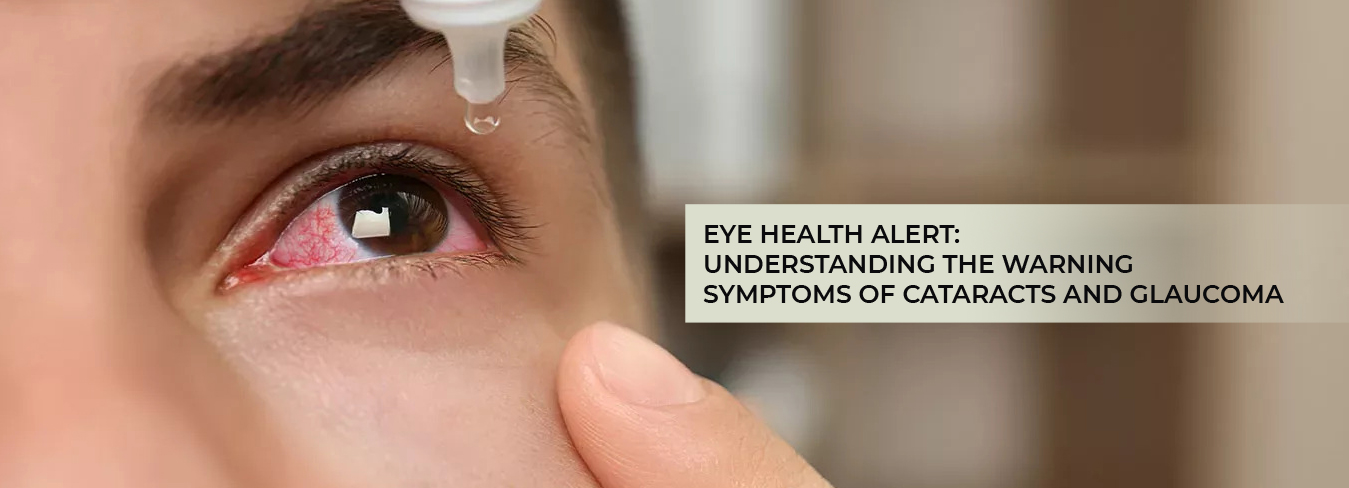
Cataract is a vision-threatening condition that deteriorates gradually to cause blindness. Glaucoma is also a vision-compromising problem that can lead to blindness if left untreated. You may become vulnerable to these conditions at any age. However, they are most prevalent among aged people. What are the symptoms of cataracts and glaucoma? Let us delve into this topic and understand the facts.

Symptoms of cataracts and glaucoma

Cataracts – An Overview

Cataracts are pretty common in older people. This condition occurs when proteins cloud the crystalline lens in your eyes. Seeing through a cloudy lens affects the quality of your vision. Since cataracts develop gradually, you may not notice this problem early on. Over time, you will experience difficulty in reading, driving at night, and other vision-related issues. You must opt for a full optometric eye exam even when noticing minor vision problems.

Symptoms of Cataracts

Most people experience a dim, blurry, or cloudy vision. Night blindness is a highly prevalent symptom among cataract patients. Other common symptoms include light sensitivity, glare sensitivity, halos around lights, colour fading, frequent changes in eyeglass prescription, and double vision in one eye.

Glaucoma – An Overview

When excessive fluid pressure builds up in your eyes, you will become vulnerable to glaucoma. A fluid known as aqueous humor is what increases the pressure. This condition affects your optic nerve and leads to critical vision-related issues and even blindness gradually. In fact, overproduction or draining of aqueous humor through the tissues results in intraocular pressure, causing damage to the optic nerve.

In the initial stage, proteins cloud only a tiny part of your lens. As the condition worsens, clouding becomes widespread and deteriorates your eye health. Eventually, it causes blindness. So, don’t wait for this condition to deteriorate. Seek the help of an optometrist to address the problem immediately.

Symptoms of Glaucoma

The common symptoms of glaucoma are redness in the eye, seeing halos around lights, blurred vision, vomiting and nausea, eye pain, severe headache, and tunnel vision. If you notice any of these symptoms, visit an experienced optometrist to conduct a full optometric eye exam.

What are the Symptoms of Cataracts and Glaucoma? – Common Ones

Blurred vision is a common symptom of cataracts and glaucoma. Other shared symptoms include reduced night vision and halos around the light. The fundamental difference between cataracts and glaucoma is the affected eye area. Cataract affects the lens in the front part of the eye. On the other hand, glaucoma damages the optic nerve located in the back of the eye. An optometrist is the best person available to deliver permanent solutions to these problems.

Unlocking the Facts: An Extensive Guide to Understanding Eye Allergies

Eye allergies

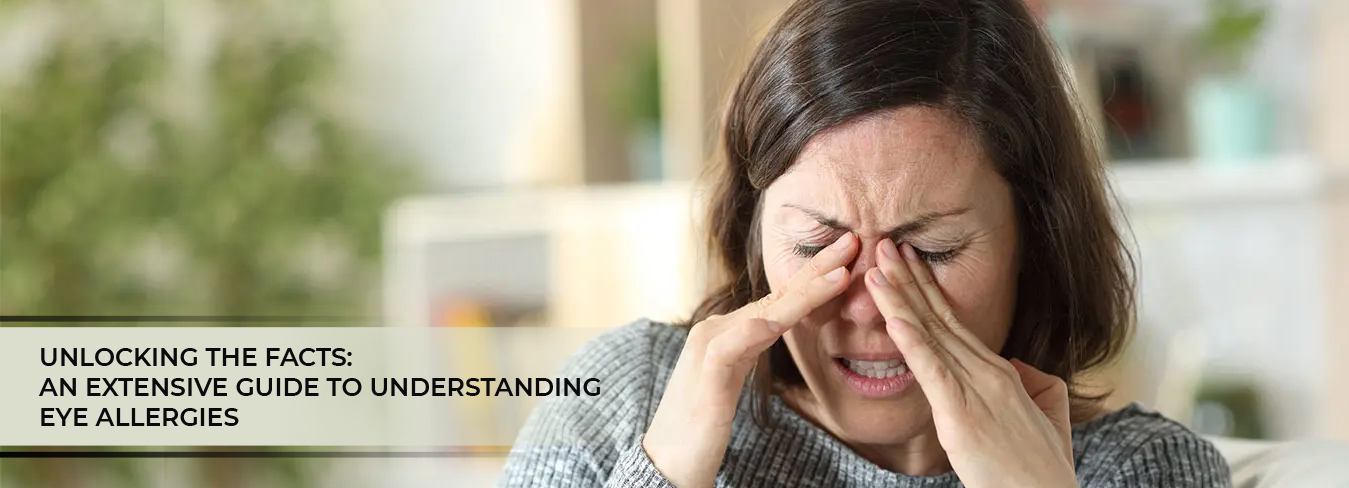
Do you feel an itching sensation in your eyes associated with redness? Then, you may be a victim of eye allergy. Some people experience a burning or tearing sensation. Also known as allergic conjunctivitis, eye allergies are a common issue that affects numerous people in Canada.

Eye allergiesWhat Causes Allergies in Your Eyes?

Do you know that the outer covering of your eyes, conjunctiva, is a sensitive area? As allergens or irritants enter your eyelid, they irritate the conjunctiva. Consequently, you will experience inflammation in your eyes.

Your immune system responds whenever harmful external invaders enter your body. If you are vulnerable to allergies, your body will react instantly, mistaking irritants as dangerous substances. How does your body react? It produces antibodies to fend off the intruders.

In response, the mast cells in your conjunctiva discharge a chemical known as histamine. It triggers the swelling of blood vessels in your eyes to cause redness and itching.

Triggering Factors

When airborne allergens enter your eyes, you are a potential candidate for eye allergies. It can be indoor allergens like mold spores, pet dander, and dust mites. Outdoor allergens such as wood pollen, trees, and grass can also make you vulnerable to these allergies. In addition, perfumes, smoke, soaps, contact lenses, and cosmetics can also lead to allergic reactions.

What are the Symptoms?

The most common symptoms include redness, itchiness, burning sensation, and swelling. You may also experience watery eyes, higher sensitivity to light, and blurry vision. In addition, many people feel that something like dirt or grit has gone into their eyes.

How to Manage or Prevent Eye Allergies?

You can prevent eye allergies to a certain extent if you don’t expose yourself to allergens and other triggers. It may not be possible for you to stay 100% protected against them. However, you can follow some steps to minimize the exposure.

– Use a dehumidifier to get protection against mold
– Wear sunglasses when going outside
– Add an HEPA filter to your air conditioner and vacuum cleaner
– Opt for mite-proof covers on pillows and mattresses
– Clean contact lenses regularly
– Close windows when the presence of external irritants is high
– Clean hands after interacting with pets
– Reduce or avoid the use of carpets

Seek the help of an optometrist in Toronto if the symptoms do not subside after one week. The optometrist will perform the necessary eye exam before recommending a treatment plan. The treatment options for eye allergies include over-the-counter drops and medications, prescription allergy drops, and sublingual immunotherapy.

Everything You Must Know about Eye Exam for Diabetic Patients

Eye-exam

Diabetic patients should never undermine the importance of an eye exam. As we all know, diabetes is a debilitating disease that increases your risk of eye complications, including cataracts, glaucoma, and retinopathy over time. Unattended problems may lead to critical damage, like permanent vision loss. Early detection and treatment are crucial in safeguarding your eye health.

Comprehensive Optometric Eye Exam is Essential for Diabetic Patients

Perform a comprehensive optometric eye exam to determine your current eye health. It reveals whether you suffer from cataracts, retinal detachments, macular degeneration, glaucoma, or other eye-related complications. What to expect with a comprehensive eye test? It involves several steps to assess the accurate condition of your eyes.Eye-exam

Visual Acuity Exam and Visual Field Test

Visual acuity exam is a primary test to check your vision. The optometrist will ask you to read letters and signs placed near and far away places.
The visual field test analyzes your efficiency to see objects on both sides. Don’t move your eyes when undergoing this test.

Muscle Function Eye Exam

What is the purpose of this test? As the name suggests, it identifies problems with the muscles around your eyeballs. The optometrist will move an object in front of your eyes. You must follow it with your eyes.

Pupil Response Test

How does the light enter your eyes? This is the objective of the pupil response test. After directing a flashlight into your eyes, the optometrist will check how your pupils react to the light.

Tonometry Eye Exam

The tonometry test offers more insightful information on the impact of diabetes on your eyes. How is it performed? A puff of air is blown into your eyes using a machine. Otherwise, your optometrist will use a special tool to touch your eyes. These two methods check the pressure in your eyes. Don’t worry about pain or other discomforts. They are painless procedures.

Pupil Dilation Test

It is an essential part of a comprehensive eye exam. To widen or dilate your eyes, the doctor will put special eye drops into your lower eyelids. You should wait at least 30 minutes for these special eye drops to work.

The pupil dilation eye test lets more light enter your eyes. It gives a clear view of the inner structures of your eyes, including the retina, blood vessels, and optic nerve. Don’t worry about side effects like light sensitivity and blurred vision. These symptoms will go away after a few hours.

Fluorescein Angiography and Optical Coherence Tomography

The optometrist will recommend tests like fluorescein angiography and optical coherence tomography if further evaluation is needed to identify your eye problem. What is a fluorescein angiography test? It is the process of injecting a special dye into your arm. The dye will reach your eyes after passing through your bloodstream to identify blood vessel damage.

Optical coherence tomography is an imaging test that captures the thickening or thinning of blood vessels in your retina. It is one of the most effective methods to identify the impact of leaking fluid on the retina.

Never undermine the importance of an eye exam if you are a diabetic patient. You may have to pay a heavy price for your negligence. Perform your eye test annually to maintain good eye health. You can seek the help of an experienced optometrist in Toronto to perform your eye test. A comprehensive eye examination is the first step to protect your eye against diabetes-related complications.

5 Benefits of Visiting an Eye Specialist

eye exams

[vc_row][vc_column width=”1/1″][vc_custom_heading source=”post_title” font_container=”tag:h1|text_align:left” use_theme_fonts=”yes”][vc_column_text]It’s essential to take care of your eyes. The right pair of glasses or contacts can help you see more clearly and comfortably, while eye exams can catch health problems early on. Here are five reasons why it’s worth it to visit an eye specialist:[/vc_column_text][vc_custom_heading source=”post_title” use_theme_fonts=”yes”][vc_column_text]The American Academy of Ophthalmology, the American Optometric Association, and the National Eye Institute recommend yearly eye exams. The American Academy of Family Physicians also supports this practice.

A yearly eye exam can keep your vision in check. It ensures that you take all necessary measures to protect your eyesight as you age. During an annual appointment, a doctor will examine your eyes for signs of cataracts or glaucoma. It is because glucagonoma leads to permanent vision loss if left untreated. An optometrist may perform visual acuity tests (how well you see). They also help you in retinal exams (light sensitivity levels).[/vc_column_text][ultimate_spacer height=”20″][us_image image=”7792″ size=”full” align=”center”][ultimate_spacer height=”20″][vc_column_text]Checking for illnesses

  • Eye diseases can resolve with early treatment.
  • Eye diseases can be hereditary.
  • Environmental factors can cause eye diseases.
  • Eye diseases can happen due to aging.

[/vc_column_text][ultimate_spacer height=”20″][us_image image=”7808″ size=”full” align=”center”][ultimate_spacer height=”20″][vc_column_text]1.Monitoring changes in vision

If you notice changes in your vision, you must see an eye doctor as soon as possible. Vision changes can signify other health problems such as diabetes, high blood pressure, and more.If you have difficulties seeing straight ahead or up close, feel free to schedule an appointment with one of the doctors today.[/vc_column_text][ultimate_spacer height=”20″][vc_column_text]2. Finding the best corrective lenses for you

If you have a problem with your eyes, you can fix it by wearing corrective lenses. Corrective lenses are glasses or contacts. Contact lenses may be a good option if you have dry eyes because they allow air to flow over the eye’s surface and keep it moist. Contact lenses are more expensive than glasses, and not everyone can wear them comfortably. However, they can help improve vision when glasses don’t work. Glasses cost less than contacts and are less likely to cause allergic reactions and irritation. However, contacts offer better peripheral vision than most eyeglasses because there’s less material blocking your view from the side of your eyes when using them instead of regular eyeglasses.[/vc_column_text][ultimate_spacer height=”20″][vc_column_text]3. Checking your eyes for other health concerns

The eye doctor is trained to spot signs of diabetes, high blood pressure, and heart disease in your eyes. They can also check for glaucoma, macular degeneration, and cataracts—all common age-related eye diseases that, if left untreated, could lead to permanent vision loss.[/vc_column_text][ultimate_spacer height=”20″][vc_column_text]4. Catching treatable conditions early

Eye disease is often linked to other diseases, including diabetes, high blood pressure, and heart disease. If your eye doctor detects a problem and you can get it treated early, you can lower the risk of progressing to more severe health issues later on down the road.[/vc_column_text][ultimate_spacer height=”20″][vc_column_text]5. Prevent vision loss and other health problems

Like most people, you may not think about your eyes as often as you should. But taking care of your vision is essential since it can help prevent vision loss and other health problems, including heart disease, high blood pressure, and diabetes.The connection between the eye and general health has been well-documented in published research studies. According to a 2012 study published in Optometry & Vision Science:“The relationship between overall good health and eyesight has long been recognized by both medical professionals and laypersons alike.”[/vc_column_text][ultimate_spacer height=”20″][vc_column_text]

If you’re concerned about your eyes, you should make an appointment with an eye doctor as soon as possible. And remember, there are many reasons to get regular checkups—not just because they can help diagnose problems that might not otherwise be spotted until it’s too late. Regular visits also allow ophthalmologists (eye doctors) to detect diseases like diabetes and high blood pressure before they cause severe damage. Plus, if you want a perfect vision for life, visiting a specialist regularly is the best way to keep it![/vc_column_text][/vc_column][/vc_row]

Pros and cons of having blue light protecting glasses

having blue light protecting glasses

Description: Caring for the eyes of the computer screen is an increasingly known concern on the part of everyone. Taking care of the view of the screens is something that began years ago with the development of auxiliary screens that overlap on the monitors of the old computers. Currently, your eyes are exposed to the blue light emitted not only by computer monitors but by devices such as mobile phones or tablets. The number of hours you spend in front of devices that emit blue light increases, not because you spend more time in front of the computer, but because you are more exposed to blue light, in intermittent periods, between all the different devices.
The use of blue light protecting glasses constantly protects you from the harmful properties of the light of the screens.

The Advantages of Wearing Glasses that Block Blue Light at Night

The benefits of the glasses that block blue light are immense and varied. The use of these glasses for a week caused surprising results among people with bipolar disorders. People who used blue light protecting glasses that block the light between 6 pm-8 pm for seven days had a marked improvement in mania symptoms compared to those who wore clear glasses. What’s more, the improvements began just after three nights of use.
The dramatic results make sense given the relatively recent discovery of intrinsically photosensitive retinal ganglion cells, which are receptors in their eyes that detect only blue light. These receptors communicate with the areas of your brain that are related to controlling your biological clock (hypothalamus), as well as your mood and emotions (the limbic system).  Research also found dramatic improvements in insomnia and mood in approximately half of the bipolar patients wearing blue light blocking glasses.

The disadvantages of having blue light protecting computer glasses:

  • The glasses with blue light filters change the color of everything you see in the yellow tint. This often causes difficulties to read the screens.
  • The light blue glasses increase the number of complaints of scotopic vision loss.
  • It also raised concerns about changing the perception of colors.
  • The blue light glasses could not protect skin containing also melanopsin, the photoreceptor that warns your body to warn you if it is day or night.

Therefore, melanopsin or light blue glasses cause sleep disturbances.

Designer eyeglasses presenting your personality

designer eyeglasses

The first impression of a person is definitely derived from their face. If you wear eyeglasses it becomes the most sound medium to express your impression. Personality varies from man to man which you get to understand as you meet so many men during your daily journey. If you want to show your personality through your appearance you must wear eyeglass which reflects your personality. You may be fun loving, conservative, sophisticated or youthful, eyewear can shape your personality most clearly. Designer eyeglasses available in so many forms, give you enough room to express your personality through your get-up.

designer eyeglasses

Eyeglasses say a lot about you

Designer eyeglasses can help you to create an image of you exactly how you want to create. You must find eyeglasses that suit your personality and lifestyle. The choice of your eyeglass reflects your taste. Whether you are a student or a busy housewife or an activist or a creative person, eyeglasses can accentuate your occupation that even when you are part of a crowd.

Professional image expressed by designer eyeglasses

To gain trust and faith of clients and managers you must have a professional and serious look. Conservative frames and color can bring out that professional get up out of you. You need to follow some tips to do that effectively.

You must go for classic shapes of eyeglasses

Need to wear traditional colors such as gold silver and black.

You must not use unusual funky shapes.

Creativity and fashion sense in eyeglasses

Thicker and larger plastic frames with modern classic shapes voice your creative and fashionable bent of mind. People will identify you as a person to do something different and positive for society as they get such an impression of you at first sight.

Glasses for moms.dads and college students

No matter what is your profession and business, you can make your face speak with your choice of eyeglasses. There are thousands of designs to suit whether you are a busy housewife or an independent working woman, aged family man or a creative loner. Students are very choosy with their glasses. Each one has personal favorites and dream figures which they try to personify in themselves. The funky and flamboyant look is even more highlighted with their choice of eyeglasses. Tortoise full round rim, broad frame, transparent wayfarer have a worldwide fan base. Oval and rectangular frames bring out an ultimate sober look.