
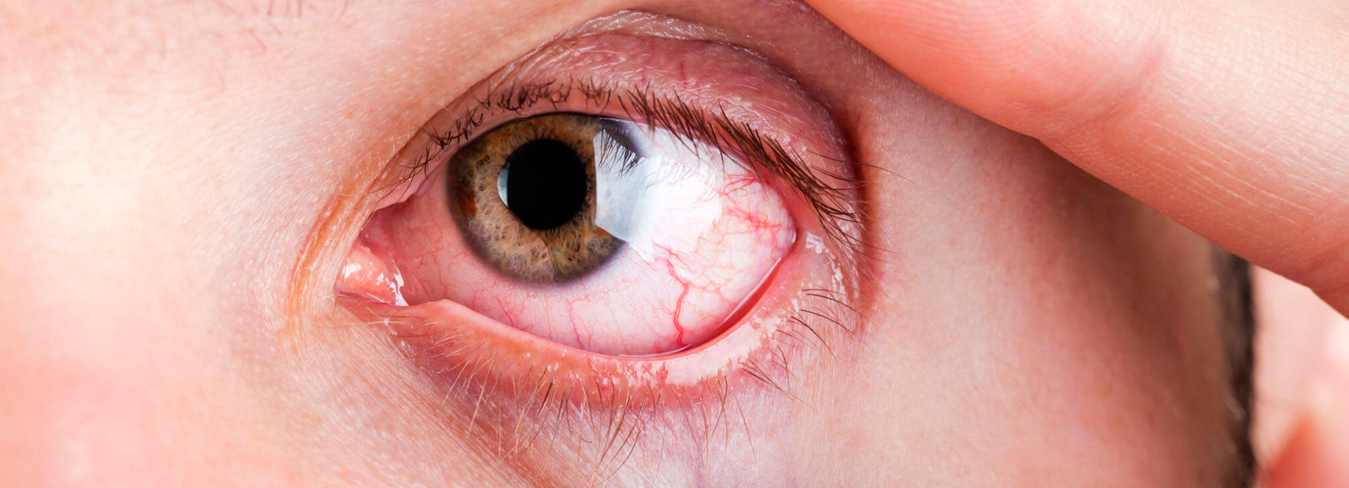
A Comprehensive Guide to Dry Eye Syndrome: Understanding the Condition and Effective Treatments

Dry Eye Syndrome

Tears serve a purpose beyond expressing emotions; they hydrate your eyes, ensuring cleanliness and overall eye health. A robust tear film is crucial for maintaining excellent vision. When your eyes don’t make enough tears to stay wet, you may experience dryness and itchiness in your eyes. This situation makes you a possible candidate for dry eye syndrome.

Dry Eye Syndrome – An Overview

The lacrimal gland, located just above your eyes, is the one that produces tears. This gland keeps your eyes wet and removes unwanted particles that enter your eyes. You will experience dry eye-related issues when this gland fails to do its job. Another reason is the fast drying up of tears. Further, if tears don’t work efficiently to keep your eyes moist, you will become vulnerable to dry eye. Visit an experienced optometrist for a detailed eye exam Toronto to diagnose and treat dry eye.

What Causes Dry Eye Syndrome?

Although men and women can get dry eye, it is more prevalent in women, particularly those who have undergone menopause. It is observed that people with diseases like lupus, Sjogren’s syndrome, rheumatoid arthritis, and thyroid issues are more susceptible to this condition. Overexposure to wind, smoke, and dry climate can cause dry eye. If your body does not have enough vitamin A, you are at risk for dry eye.

Other possible causes include

– Entropion and Entropion (Eyelid turning inward or outward)
– Blepharitis (Swollen or red eyelids)
– Sitting in front of a computer screen for a long time
– Excessing reading without blinking eyes
– Undergoing refractive eye surgery
– Overexposure to contact lenses
– Use of medications like antidepressants, diuretics, and sleeping pills

Dry Eye – Major Symptoms

The symptoms of dry eye can vary from occasional, mild discomfort to persistent irritation. Recognizable signs often include:
– Scratching sensation or itchy feel
– Stinging or burning sensation
– Excessive tearing and discharge
– Light sensitivity
– Redness in eyes
– Blurry vision

Diagnosis and Treatment of Dry Eye Syndrome

Your optometrist will perform an eye exam Toronto to diagnose and treat this condition. Mild issues are often treated with non-prescription eye drops, known as artificial tears. The optometrist will recommend prescription eye drops and anti-inflammatory medications for more stubborn symptoms.

Lifestyle changes are also essential to control dry eye-related issues. You can use warm compresses on your eyelids to get relief. Other options include using a dehumidifier, limiting screen time, and increasing water intake. Sometimes, the optometrist may recommend a dietary supplement like Omega 3 to ensure speedy recovery.

If your eyes dry up too fast, you may need to use tear duct plugs. Surgery becomes an inevitable choice when your dry eye discomforts are severe and complex to handle with medications and other options.

Experiencing Dry Eye Syndrome? Explore the Signs, Possibilities, and Treatments

Dry Eye

Experiencing Dry Eye Syndrome? Explore the Signs, Possibilities, and Treatments

Do you know that dry eye is a multifactorial disease? Yes, numerous possibilities can be associated with this condition. A smooth and stable tear film is essential for clear vision. Three layers of this film work hard to keep your eyes moist and healthy. Any disruption to your tear film leads to dry eye syndrome.

In simple terms, inadequate or poor-quality tears cause dry eyes. The risk factors can be complex as well. Before delving into the causes, symptoms, and treatments, let us discuss the three types of dry eye diseases.

Aqueous Deficient, Evaporative and Mixed Dry Eye

The lacrimal gland is the one that produces aqueous tears. Aqueous deficiency occurs when your lacrimal gland fails to produce adequate tears.

The tear film of your eyes contains three layers, oily, watery, and mucus. Tear evaporation occurs when an oily layer of your tear film does not work efficiently and becomes unstable.

Some people experience a mix of tear film instability and aqueous tears deficiency. Therefore, this condition is known as mixed dry eye.

What Causes Dry Eye Syndrome?

Now, let us discuss the causes of this condition in detail. Several factors can lead to insufficient production or poor-quality tears.

Aging is a common factor. Also, women tend to be more vulnerable to this condition than men. The hormonal changes during pregnancy and menopause contribute to their increased susceptibility. Illnesses or medical conditions like diabetes, Sjogren’s syndrome, rheumatoid arthritis, Graves’ disease, lupus, scleroderma, and thyroid disorders can increase eye dryness. Further, extended screen time cultivates poor blinking habits to cause dryness.

Overexposure to contact lenses or improper lenses also causes dry eyes. In addition, certain medications, including tranquilizers, diuretics, ulcer medications, antihistamines, decongestants, antidepressants, some birth control pills, and blood pressure medications may lower tear production.

Furthermore, dry indoor environments make you more susceptible to dry eyes. Last but not least, overexposure to wind, air-conditioning, and smoke can trigger dryness in your eyes.

Dry EyeSymptoms

Do you experience eye discomfort or fatigue after using screens or reading for a long time? If yes, you can suspect tear deficiency. The most common symptoms include:
– Burning or stinging sensation in eyes
– Eye redness or soreness
– Light, wind, or smoke sensitivity
– Stringy mucus in and around eyes
– Blurred or double vision
– Watery eyes
– Foreign body sensation in the eyes
– Eyelids sticking together in the morning
– Discomfort when wearing contact lenses

If you notice some of these symptoms, go for an eye exam Toronto immediately. Early detection and treatment make the recovery more effective and sustainable.

Treatment Options

The primary focus of dry eye treatment is to relieve symptoms, thereby enhancing tear quality and quantity. Protecting the ocular surface is also an essential aspect of treatment.

The most popular treatment solutions include artificial tears, punctal plugs, nutritional supplements, and prescription medications. Further, you can use warm compresses to increase the tear flow. Lid hygiene is also a critical aspect. In severe cases, doctors recommend anti-inflammatory medications. Surgery is also a possible option to close the tear ducts and enhance eyelid function.

You must consult an optometrist in Toronto before choosing a treatment plan. After identifying the underlying reason, an optometrist will develop a customized treatment package that suits your needs.

Everything You Must Know about Eye Exam for Diabetic Patients

Eye-exam

Diabetic patients should never undermine the importance of an eye exam. As we all know, diabetes is a debilitating disease that increases your risk of eye complications, including cataracts, glaucoma, and retinopathy over time. Unattended problems may lead to critical damage, like permanent vision loss. Early detection and treatment are crucial in safeguarding your eye health.

Comprehensive Optometric Eye Exam is Essential for Diabetic Patients

Perform a comprehensive optometric eye exam to determine your current eye health. It reveals whether you suffer from cataracts, retinal detachments, macular degeneration, glaucoma, or other eye-related complications. What to expect with a comprehensive eye test? It involves several steps to assess the accurate condition of your eyes.Eye-exam

Visual Acuity Exam and Visual Field Test

Visual acuity exam is a primary test to check your vision. The optometrist will ask you to read letters and signs placed near and far away places.
The visual field test analyzes your efficiency to see objects on both sides. Don’t move your eyes when undergoing this test.

Muscle Function Eye Exam

What is the purpose of this test? As the name suggests, it identifies problems with the muscles around your eyeballs. The optometrist will move an object in front of your eyes. You must follow it with your eyes.

Pupil Response Test

How does the light enter your eyes? This is the objective of the pupil response test. After directing a flashlight into your eyes, the optometrist will check how your pupils react to the light.

Tonometry Eye Exam

The tonometry test offers more insightful information on the impact of diabetes on your eyes. How is it performed? A puff of air is blown into your eyes using a machine. Otherwise, your optometrist will use a special tool to touch your eyes. These two methods check the pressure in your eyes. Don’t worry about pain or other discomforts. They are painless procedures.

Pupil Dilation Test

It is an essential part of a comprehensive eye exam. To widen or dilate your eyes, the doctor will put special eye drops into your lower eyelids. You should wait at least 30 minutes for these special eye drops to work.

The pupil dilation eye test lets more light enter your eyes. It gives a clear view of the inner structures of your eyes, including the retina, blood vessels, and optic nerve. Don’t worry about side effects like light sensitivity and blurred vision. These symptoms will go away after a few hours.

Fluorescein Angiography and Optical Coherence Tomography

The optometrist will recommend tests like fluorescein angiography and optical coherence tomography if further evaluation is needed to identify your eye problem. What is a fluorescein angiography test? It is the process of injecting a special dye into your arm. The dye will reach your eyes after passing through your bloodstream to identify blood vessel damage.

Optical coherence tomography is an imaging test that captures the thickening or thinning of blood vessels in your retina. It is one of the most effective methods to identify the impact of leaking fluid on the retina.

Never undermine the importance of an eye exam if you are a diabetic patient. You may have to pay a heavy price for your negligence. Perform your eye test annually to maintain good eye health. You can seek the help of an experienced optometrist in Toronto to perform your eye test. A comprehensive eye examination is the first step to protect your eye against diabetes-related complications.

Maintain a Good Eye Health

Maintain a Good Eye Health

[vc_row][vc_column width=”1/1″][vc_column_text]Are you trying to find an “eye care center near me”? Regular eye care is crucial for good eye health. However, how do you select the genuine center? Let’s explore the key factors to consider when searching for a professional eye care center.[/vc_column_text][vc_custom_heading text=”Key Factors to consider a professional eye care center” use_theme_fonts=”yes”][vc_column_text]Regular eye exams 

Regular eye exams can detect vision issues and serious eye conditions like glaucoma and cataracts. Detecting it early on can save your vision. Therefore, visiting an eye care professional for regular checkups is essential.

Services offered by the center 

An eye care center that provides comprehensive eye exams, contact lens fitting, and eyeglass prescriptions will be best for you. All of these ensure a quality service. So, consider these if you are going to search for an “optical near me Toronto”

Experience and skills of the Staff

The Staff at the center must have the appropriate credentials and experience. It helps them to provide you with the best possible care. Optometrists and ophthalmologists are the two types of eye doctors. So, choose a center with qualified Staff that can meet your specific needs.

Equipment and process 

A modern eye care center utilizes up-to-date technology and equipment. For example, optical coherence tomography and retinal imaging are some advanced equipment. These can detect subtle changes in the eye that may not be visible to the naked eye. Thus, early detection of eye conditions can save you from damage.

Eye care center near me: as the location matters

Whenever you search for the “eye care center near me,” you wish it to be near you. Yes, it has many advantages. Your nearby center can offer flexible scheduling or weekend hours for discussions or checkups. It will be helpful for your busy schedule. Besides, this can make it easier for you to fit in regular eye exams.

Comfortable atmosphere 

Choosing an eye care hub that makes you feel comfortable is necessary. So, you can look for a clean and welcoming waiting area and a relaxed atmosphere. It is because a positive and welcoming environment can help reduce anxiety. Additionally, it makes your visit a more pleasant experience.

[/vc_column_text][vc_custom_heading text=”Conclusion” font_container=”tag:h3|text_align:left” use_theme_fonts=”yes”][vc_column_text]So, it can be concluded that finding the best eye care near you is essential for maintaining good eye health. Therefore whenever you search for an “eye care center near me,” consider several mentioned aspects. Don’t neglect your eye health. Find the best eye care near you today![/vc_column_text][/vc_column][/vc_row]