
A common belief that stood intact for decades was that kids over nine could not receive lazy eye treatment. However, studies have shown that the treatment is possible even for adults. But what exactly is this lazy eye, and what leads to this condition? We will discuss everything you need to know, including symptoms and treatment options.
What is a Lazy Eye?
Amblyopia or lazy eye refers to a condition implying neuro-developmental sight. This condition arises when one eye fails to receive the acuity for normal vision. It usually forms a blurred vision to the affected eye. And that further leads to binocular vision and depth perception complications.
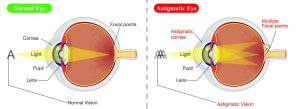
In many cases, unequal vision due to farsightedness, astigmatism, or nearsightedness can also cause amblyopia. In these situations, seeing an optometrist is the best thing to do.
Lazy Eye Spy: Spotlight on Symptoms
Here are some obvious indications of lazy eye or amblyopia.
- Issues with depth perception.
- The inner or outer wandering of either or both eyes.
- The need to shut or squint one eye to see clearly.
- Lack of coordination between both eyes.
- Eye fatigue, headache, or eye strain frequently.
- Unable to see without tilting the head.
If you notice one of these signs, visit SB optical vision centre for an eye exam in Toronto.
Behind the Blur: What Causes a Lazy Eye in Adults
Although we discuss the lazy eye and its symptoms, we often fail to pinpoint the causes. So, let’s find out the common reasons behind this condition.
Eyes Having Difference in Vision Sharpness – Farsightedness, astigmatism, or nearsightedness often cause differences in sharpness between each eye. One can fix these refractive issues with contact lenses or eyeglasses.
Balance Issue in the Muscles– Muscles positioning the eyes often go through imbalances. That often makes your eyes turn out or cross in, obstructing their coordination.
Rebooting Vision: Learn How to Fix
Use of Eyepatches– One of the affordable and simple ways to fix a lazy eye is an eyepatch. Wearing it can lead to vision improvement in the affected eye. You need to wear the eyepatch in the unaffected eye according to your doctor’s instructions.
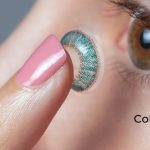
Contact Lenses or Eyeglasses– Vision sharpness difference between the eyes can lead to refractive amblyopia. You can correct nearsightedness, astigmatism, or farsightedness with contact lenses or eyeglasses according to your doctor’s instructions.
Atropine’s Effect– An effective solution blurs your eye with the good vision, boosting activity in your weaker eye. And that is possible with the use of medicated eye drops.
Early Eye Exam- Overlooking the signs of a lazy eye can cause vision loss. Therefore, you must pay attention to the symptoms and immediately contact an optometrist in Toronto.
Remember that clear vision starts with the right step. All you need is awareness of symptoms and your doctor’s instructions to fix this condition.