Colour Blindness: What Causes It, Symptoms & Diagnosis

Eye specialist conducting a colour blindness test using red and yellow lenses for diagnosis

The blank canvas of life gives you possibilities to paint. And, in those possibilities, you have colours to fill. However, these colours may not appear exactly as they are for some. And that’s colour blindness.

In this condition, people struggle to see the difference between colours. So, what causes the condition? And how should you diagnose it? Read on.

Getting to the Mystery of Colour Blindness

Colour blindness means trouble seeing some colours. The cells in your eyes that detect light may not work properly. These light-sensitive cells (cones) help us see different colours. When they’re not right, it’s hard for the brain to tell them apart.

How Cones in Your Eyes Paint Your World

The human eye has three types of cones. One type picks up the red light. Another detects the green light. And the third one senses blue light. Each cone has a different light wavelength to which it reacts. Together, they help us see all colours. So, if one cone doesn’t work, it changes how colours appear.

Is Colour Vision Deficiency More Common Than You Think?

Colour vision deficiency affects men more. Yes! One can find almost 1 in every 12 men facing this issue. In women, the ratio is around 1:200. It’s because of inheritance through the X chromosome.

Understanding the Factors Behind Colour Blindness

  • The Genetic Factor– Firstly, red-green colour blindness comes from the X chromosome. As a result, it’s more common in men. Next, the blue-yellow type has nothing to do with the X chromosome. So, both men and women can inherit it.
  • The Acquired Factor– Some people lose colour vision as they age. Eye conditions like glaucoma can harm the retina. Other than that, brain damage from strokes may affect colour perception.

The Top Tests That Spot Colour Vision Deficiency

Let’s look at a few eye exams that detect Colour vision deficiency.

Firstly, the Ishihara test is a popular test for colour vision deficiency. It features plates with coloured dots arranged to create numbers. Individuals with normal colour vision can effortlessly identify the numbers.

Secondly, the Farnsworth D-15 test involves arranging a set of coloured tiles in the correct sequence according to their shades.

Finally, an anomaloscope helps check red-green colour vision. You adjust two light sources to match in colour.

What Options Exist for Colour Blindness Treatment?

  • First of all, you have colour blindness glasses. These glasses help to improve colour contrast. That makes it easier to tell colours apart.
  • Then, colour-adjusting apps on smartphones change screen colours. So, colour-blind users can expect better visibility.
  • At last, one can learn to identify colours by position or brightness.

So, the right tools and training can help manage the condition. After all, timely tests and proper support do the job well.

Meibomian Gland Dysfunction: What’s Wrong & What’s Next?

meibomian gland dysfunction

It’s possible you hardly see an eye doctor. Because of that, the concept of meibomian glands may not be clear. In short, these glands help with eye comfort and moisture. However, when they don’t work well, problems come up. And, that too, in the name of meibomian gland dysfunction. So, what exactly is it? And how can you find the healing path? Let’s understand!

Behind the Blink: The Role of Meibomian Glands

Firstly, we have to look at the meibomian glands basics. These glands release meibum oil. This oil helps to keep your eyes moist. And because of meibum, water evaporation in the tear film slows down. But what happens when meibomian glands don’t produce excess meibum? That can cause problems like dry eyes.

Dry, Itchy, Gritty? Signs of Meibomian Gland Dysfunction

Next comes the meibomian gland dysfunction symptoms. People may face the following dry eye problems.

  • Dryness or irritation.
  • Itchy or burning feeling in either or both eyes.
  • The feeling of an object like sand or dust.
  • Eyelid inflammation (and, in many cases, redness).
  • The presence of eyelid scales.
  • Eyelid’s inner side getting rough.
  • Blurry sight for some time.
  • Release of a sticky substance.

How Experts Detect Meibomian Gland Dysfunction

In the early stage, you may not notice any symptoms. So, be ready to visit a well-known optical vision centre in Toronto. More than that, stick to regular eye exams. Moreover, talk about any uncomfortable feelings in your eyes.

Optometrists usually have two options. Firstly, they check your eyelid’s pores with a slit lamp. Secondly, they may test your tear breakup time. That can hint at a dry eye issue.

No More Crying Over Dry Eyes: Solutions for Meibomian Gland Dysfunction

The MG Expression Method– What does MG expression include? In most cases, it involves a cotton swab and finger pressure. Some may go for gentle eyelid heating.

Pulsed Light for MGD Treatment– Next, the use of intense regulated pulsed light can help. It uses technology for better control over light intensity. And that’s better than intense pulsed light (IPL).

More Ways to Soothe Dryness– At last, you may see other dry eye treatments. The list includes eye masks, eye drops, and hygiene wipes. Ultimately, your eye doctor decides what’s best for you.

The Sooner, The Clearer: Connect with an Optometrist

You may be having meibomian gland dysfunction. Yet, you may overlook its presence. Because of that, it’s better to see an optometrist. They can help you understand what’s going wrong. In fact, regular exams keep you safe from other eye conditions. So, never forget to contact them. And, with their help, you can push away the dry eye difficulties.

Eyes Wide Open: The Hidden Truths of Lazy Eye in Grown-Ups

Lazy eye

A common belief that stood intact for decades was that kids over nine could not receive lazy eye treatment. However, studies have shown that the treatment is possible even for adults. But what exactly is this lazy eye, and what leads to this condition? We will discuss everything you need to know, including symptoms and treatment options.

What is a Lazy Eye?

Amblyopia or lazy eye refers to a condition implying neuro-developmental sight. This condition arises when one eye fails to receive the acuity for normal vision. It usually forms a blurred vision to the affected eye. And that further leads to binocular vision and depth perception complications.

In many cases, unequal vision due to farsightedness, astigmatism, or nearsightedness can also cause amblyopia. In these situations, seeing an optometrist is the best thing to do. 

Lazy Eye Spy: Spotlight on Symptoms

Here are some obvious indications of lazy eye or amblyopia. 

  • Issues with depth perception. 
  • The inner or outer wandering of either or both eyes. 
  • The need to shut or squint one eye to see clearly. 
  • Lack of coordination between both eyes. 
  • Eye fatigue, headache, or eye strain frequently. 
  • Unable to see without tilting the head. 

If you notice one of these signs, visit SB optical vision centre for an eye exam in Toronto

Behind the Blur: What Causes a Lazy Eye in Adults

Although we discuss the lazy eye and its symptoms, we often fail to pinpoint the causes. So, let’s find out the common reasons behind this condition.

Eyes Having Difference in Vision Sharpness – Farsightedness, astigmatism, or nearsightedness often cause differences in sharpness between each eye. One can fix these refractive issues with contact lenses or eyeglasses.

Balance Issue in the Muscles– Muscles positioning the eyes often go through imbalances. That often makes your eyes turn out or cross in, obstructing their coordination.

Rebooting Vision: Learn How to Fix

Use of Eyepatches– One of the affordable and simple ways to fix a lazy eye is an eyepatch. Wearing it can lead to vision improvement in the affected eye. You need to wear the eyepatch in the unaffected eye according to your doctor’s instructions.

Contact Lenses or Eyeglasses– Vision sharpness difference between the eyes can lead to refractive amblyopia. You can correct nearsightedness, astigmatism, or farsightedness with contact lenses or eyeglasses according to your doctor’s instructions.

Atropine’s Effect– An effective solution blurs your eye with the good vision, boosting activity in your weaker eye. And that is possible with the use of medicated eye drops.

Early Eye Exam- Overlooking the signs of a lazy eye can cause vision loss. Therefore, you must pay attention to the symptoms and immediately contact an optometrist in Toronto

Remember that clear vision starts with the right step. All you need is awareness of symptoms and your doctor’s instructions to fix this condition.

How to Fix Blurry Vision Naturally? Explore the Ultimate Guidance from Experts

how to fix blurry vision naturally

How to Fix Blurry Vision Naturally?

Having blurry vision makes your eyesight distorted and keeps things out of focus. That’s when you have difficulty seeing finer details all around you. But are you wondering how to fix blurry vision naturally? Or should you only focus on a medical treatment or an eye exam? We have answers to all these questions! So, keep reading!

When to Consider Natural Treatment Options?

Treating blurry vision varies depending on what’s causing it. Sometimes, you can address certain causes naturally by changing your lifestyle or trying home remedies. Let’s look at a few of these options. 

Eye Allergies: Blurry vision is often a result of allergies. That’s because they lead to irritation and eye itchiness. Another term for eye allergy is allergic conjunctivitis. These eye allergies can also cause nasal congestion, sneezing, or runny nose. 

Dry Eyes: Sometimes, it’s dry eyes that cause blurry vision, usually while waking up in the morning. Moreover, things can get worse due to the dry climate. Other causes of dry eyes include prolonged screen time without blinking and staying asleep wearing contact lenses. 

Corneal Abrasion: Any scratch or injury in your cornea leads to corneal abrasion. Foreign objects like sand, dust, or dirt can be one of those most possible causes other than chemical burns, or fingernail scratches. You don’t need to worry about smaller abrasions. However, larger ones require medical attention. 

The strain on Eyes: Longer screen time causes digital eye strain and may lead to blurry vision. 

Colder Temperatures: Freezing weather can constrict the blood vessels in your eyes, causing blurry vision.

When the Medical Attention is Mandatory?

Several causes of blurry vision demand immediate attention from a trusted optometrist in TorontoThey are as follows.

Conjunctivitis: Conjunctivitis is a common cause of blurry vision, eye pain, or itchiness. It refers to the infection on your eye’s outer wall. Allergies, bacteria, or viruses can lead to conjunctivitis and require an eye exam. 

Refractive Errors: Nearsightedness, farsightedness, loss of focus on closer things, or distorted vision comprise refractive errors. They usually require contacts or eyeglasses and surgical intervention in certain cases.

Diabetes: Diabetes often leads to diabetic retinopathy, progressively damaging your retina’s blood vessels. This condition demands eye treatment and blood sugar medications. 

High Blood Pressure: High blood pressure can cause hypertensive retinopathy, restricting your retina’s blood vessels. This condition obstructs blood flow and causes damage to those blood vessels and blurry vision. 

Graves’ Disease: This thyroid disease can lead to double or blurry vision upon delaying the treatment. 

One Common Myth –

Many people talk about several eye exercises for healthy vision. However, these back-and-forth eye-rolling exercises are less likely to overcome blurry vision (least scientific evidence). 

What Might Help You in Blurry Vision? 

Eye Lubrication: Massaging your eyelids with a warm compress or having occasional blinks might help during blurry vision. 

Having Enough Rest: Our sensitive eyes need enough sleep and breaks while using screens for longer hours. 

Say No to Smoking: Smoking often causes cataracts, damages the optic nerve, and leads to other eye complications. 

Better Air Quality: Staying in drier climates would cause dry eyes. You can use a humidifier and restrict airflow directly on your face.

Omega 3 and Vitamin A: Taking omega-3 fatty acids may help relieve symptoms of dry eyes. Algae, walnuts, and flax seeds are some rich sources of these fatty acids. Likewise, taking enough Vitamin A may help avoid blurry vision. These vitamins are found in red peppers, sweet potatoes, dairy, and others.

The Right Time to See an Eye Care Specialist 

Seeing an optometrist becomes mandatory under the following conditions: 

  • Blurriness persisting or getting worse
  • Blurry vision after a head injury 
  • Speaking difficulties 
  • Poor muscle control over your body’s one side 
  • Facial drooping 
  • Unbearable headache 

An Experienced Optometrist is One Appointment Away

Are you looking for an experienced optometrist in Toronto to address blurry vision? Let our specialists examine your eyes and guide you toward the right treatment. Get a clear vision every day! 

What Causes Astigmatism to Worsen? Understanding the Reasons Behind Astigmatism Progression

What causes astigmatism to worsen

What Causes Astigmatism to Worsen? Understanding the Reasons Behind Astigmatism Progression

Astigmatism is a vision problem that affects millions of people in Canada. The cornea and lens are two integral parts of your eyes to keep your vision optimally healthy. Astigmatism is a condition that affects adults and children with an irregularly shaped cornea or lens. What causes astigmatism to worsen? Let us explore the most prominent reasons that deteriorate this condition.

Understand the Causes of Astigmatism

Do you have a blurry vision at every distance? A detailed eye exam reveals whether you are experiencing astigmatism-related issues. The usual spherical form of cornea or lens changes to an irregular shape like a football. This situation makes you vulnerable to astigmatism. This irregular shape leads to uneven refraction of light. Under normal circumstances, the light focuses on the retina to keep your vision perfect. Astigmatism does not let this happen and makes your vision blurry. In addition to blurriness, you may experience squinting, headache, eye strain, or discomfort.

Now, coming back to the point, what causes astigmatism to worsen? Several factors can exacerbate this condition.

Age-Related Eye Condition

Aging deteriorates your overall vision quality. It also worsens astigmatism to cause more complications. Many children with astigmatism may overcome this condition as they grow older. However, it may resurface after the age of 25 or beyond

As mentioned above, the natural deterioration of eye health due to aging often leads to many other issues, including glaucoma, macular degeneration, and presbyopia. The condition of astigmatism worsens with these complications. So, consult an experienced optometrist in Toronto to perform a detailed eye exam to evaluate the current health and take corrective measures.

Keratoconus

Several eye complications can worsen astigmatism. The perfect example is Keratoconus. This condition results in the cornea bulging out in a cone shape. It is a condition that makes your cornea thinner and weaker. Therefore, the added adverse impact on your cornea worsens astigmatism to cause more critical eye complications. A detailed exam will help you assess the condition of your eyes and take the necessary steps to prevent serious complications.

Eye Surgeries

Eye surgery may deteriorate your astigmatism. Sometimes, astigmatism may emerge as a side effect of cataract surgery. Further, it can worsen your existing astigmatism. The ophthalmic surgeon cuts through the cornea during cataract surgery, potentially impacting the corneal curvature and exacerbating astigmatism.

Eye Injury or Trauma

Eye injuries or trauma can cause astigmatism to worsen. Your eyes are a highly sophisticated organ that makes you see the world. Always use protective eyewear to prevent injuries.

These injuries often lead to scarring and damage to your cornea. Further damage to the cornea aggravates the existing astigmatism to cause more problems. If you experience any complications, seek the help of an experienced optometrist in Toronto to conduct a detailed examination of your eyes.

Final Words on What causes astigmatism to worsen

These are the prominent reasons that deteriorate your astigmatism and cause more critical complications. Eye issues need to be handled carefully. Irresponsible methods can even lead to vision loss. Therefore, look for a knowledgeable optometrist in Toronto to perform a comprehensive eye exam to evaluate the condition of your eyes.

Eye Health Alert: Understanding the Warning Symptoms of Cataracts and Glaucoma

Symptoms of cataracts and glaucoma

What are the Symptoms of Cataracts and Glaucoma?

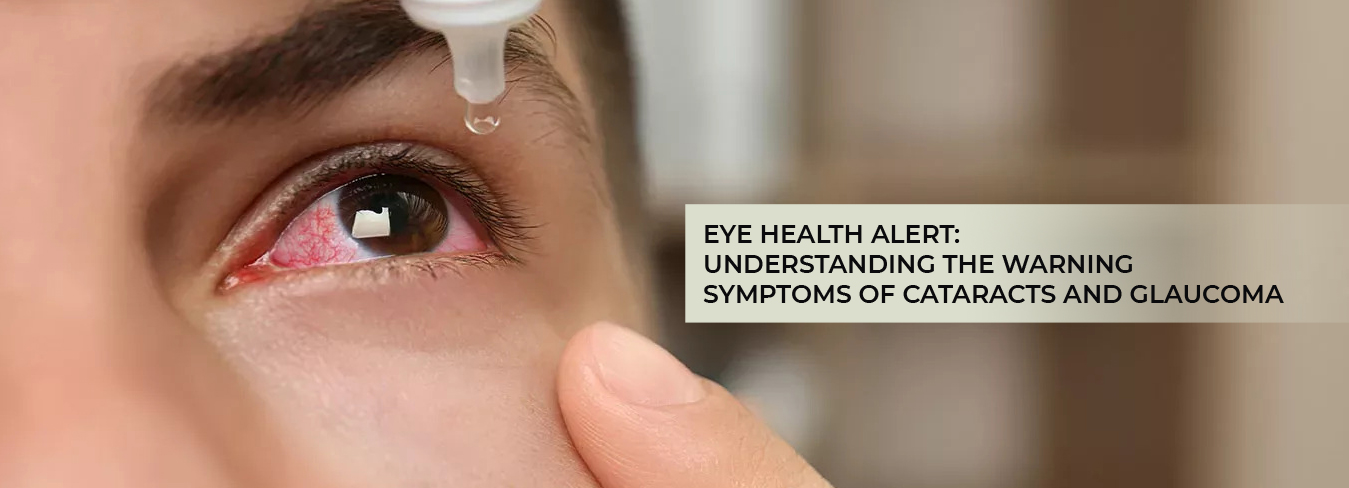
Cataract is a vision-threatening condition that deteriorates gradually to cause blindness. Glaucoma is also a vision-compromising problem that can lead to blindness if left untreated. You may become vulnerable to these conditions at any age. However, they are most prevalent among aged people. What are the symptoms of cataracts and glaucoma? Let us delve into this topic and understand the facts.

Symptoms of cataracts and glaucoma

Cataracts – An Overview

Cataracts are pretty common in older people. This condition occurs when proteins cloud the crystalline lens in your eyes. Seeing through a cloudy lens affects the quality of your vision. Since cataracts develop gradually, you may not notice this problem early on. Over time, you will experience difficulty in reading, driving at night, and other vision-related issues. You must opt for a full optometric eye exam even when noticing minor vision problems.

Symptoms of Cataracts

Most people experience a dim, blurry, or cloudy vision. Night blindness is a highly prevalent symptom among cataract patients. Other common symptoms include light sensitivity, glare sensitivity, halos around lights, colour fading, frequent changes in eyeglass prescription, and double vision in one eye.

Glaucoma – An Overview

When excessive fluid pressure builds up in your eyes, you will become vulnerable to glaucoma. A fluid known as aqueous humor is what increases the pressure. This condition affects your optic nerve and leads to critical vision-related issues and even blindness gradually. In fact, overproduction or draining of aqueous humor through the tissues results in intraocular pressure, causing damage to the optic nerve.

In the initial stage, proteins cloud only a tiny part of your lens. As the condition worsens, clouding becomes widespread and deteriorates your eye health. Eventually, it causes blindness. So, don’t wait for this condition to deteriorate. Seek the help of an optometrist to address the problem immediately.

Symptoms of Glaucoma

The common symptoms of glaucoma are redness in the eye, seeing halos around lights, blurred vision, vomiting and nausea, eye pain, severe headache, and tunnel vision. If you notice any of these symptoms, visit an experienced optometrist to conduct a full optometric eye exam.

What are the Symptoms of Cataracts and Glaucoma? – Common Ones

Blurred vision is a common symptom of cataracts and glaucoma. Other shared symptoms include reduced night vision and halos around the light. The fundamental difference between cataracts and glaucoma is the affected eye area. Cataract affects the lens in the front part of the eye. On the other hand, glaucoma damages the optic nerve located in the back of the eye. An optometrist is the best person available to deliver permanent solutions to these problems.

Unlocking the Facts: An Extensive Guide to Understanding Eye Allergies

Eye allergies

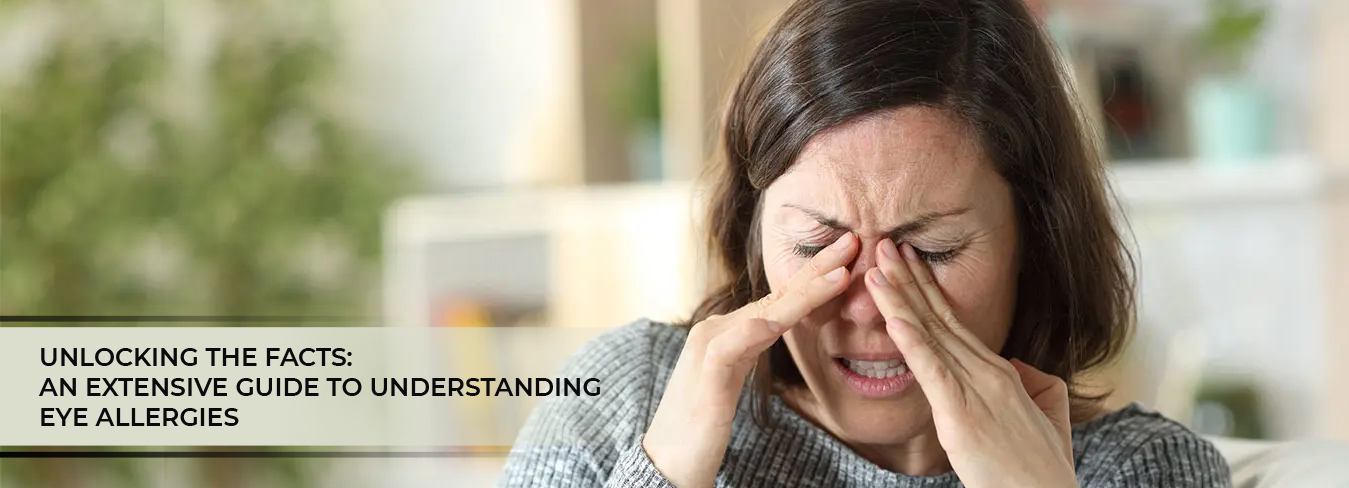
Do you feel an itching sensation in your eyes associated with redness? Then, you may be a victim of eye allergy. Some people experience a burning or tearing sensation. Also known as allergic conjunctivitis, eye allergies are a common issue that affects numerous people in Canada.

Eye allergiesWhat Causes Allergies in Your Eyes?

Do you know that the outer covering of your eyes, conjunctiva, is a sensitive area? As allergens or irritants enter your eyelid, they irritate the conjunctiva. Consequently, you will experience inflammation in your eyes.

Your immune system responds whenever harmful external invaders enter your body. If you are vulnerable to allergies, your body will react instantly, mistaking irritants as dangerous substances. How does your body react? It produces antibodies to fend off the intruders.

In response, the mast cells in your conjunctiva discharge a chemical known as histamine. It triggers the swelling of blood vessels in your eyes to cause redness and itching.

Triggering Factors

When airborne allergens enter your eyes, you are a potential candidate for eye allergies. It can be indoor allergens like mold spores, pet dander, and dust mites. Outdoor allergens such as wood pollen, trees, and grass can also make you vulnerable to these allergies. In addition, perfumes, smoke, soaps, contact lenses, and cosmetics can also lead to allergic reactions.

What are the Symptoms?

The most common symptoms include redness, itchiness, burning sensation, and swelling. You may also experience watery eyes, higher sensitivity to light, and blurry vision. In addition, many people feel that something like dirt or grit has gone into their eyes.

How to Manage or Prevent Eye Allergies?

You can prevent eye allergies to a certain extent if you don’t expose yourself to allergens and other triggers. It may not be possible for you to stay 100% protected against them. However, you can follow some steps to minimize the exposure.

– Use a dehumidifier to get protection against mold
– Wear sunglasses when going outside
– Add an HEPA filter to your air conditioner and vacuum cleaner
– Opt for mite-proof covers on pillows and mattresses
– Clean contact lenses regularly
– Close windows when the presence of external irritants is high
– Clean hands after interacting with pets
– Reduce or avoid the use of carpets

Seek the help of an optometrist in Toronto if the symptoms do not subside after one week. The optometrist will perform the necessary eye exam before recommending a treatment plan. The treatment options for eye allergies include over-the-counter drops and medications, prescription allergy drops, and sublingual immunotherapy.