
Scleral Lenses for Dry Eye: What You Need to Know

scleral lenses

A dry eye does not make life a pleasant one. This optical dysfunction includes blurred vision, itching, and irritation, which affects activities in society. But here, a solution can provide some help – scleral lenses. These lenses are meant to maintain moisture and increase comfort in the eye. This blog has covered all the basics for those wondering how or why they work.

What Are Scleral Lenses?

Scleral lenses are large, rigid contact lenses crafted from a gas-permeable material. They fit the whole corneal area against the sclera, the white portion of your eye. In contrast to conventional lenses, they form a tear-filled reservoir. Therefore, they help you prevent eye dryness by constantly lubricating your eyes.

Why Choose Scleral Lenses for Dry Eye?

These glasses are practical for treating dry eyes. Here’s why:

  • Provide long-lasting hydration: The tear reservoir has the function of shielding the cornea.
  • Reduce irritation and redness: They reduce wear between the eye and lenses.
  • Improve vision clarity: It provides a clearer vision for people with dry eyes.
  • Comfortable for extended wear: They stay moist all day.

Who Can Benefit from Scleral Lenses?

The scleral lens is ideal for anyone suffering from dry eye. However, they are invaluable for:

  • Those with advanced forms of dry eye disease
  • patients with the keratoconus or other corneal abnormalities
  • People who have not been comfortable with conventional glasses

In general, they are an outstanding solution if you cannot find a way to deal with constant pain.

The Fitting Process: What to Expect

Scleral lenses are prescribed after a thorough fitting process is followed. This ensures that the lenses fit the frames properly and comfortably. During your appointment, the specialist will:

  • Measure your eyes precisely,
  • Evaluate your tear provision and corneal status.
  • The size of this lens must be adjusted to how comfortable the wearer intends it to be.

For expert fittings, you need to go to a reliable center you can see, for instance, contact lens fitting Toronto.

The Closing Note

In conclusion, scleral lenses are a lifeline for those struggling with dry eye. They effectively moisturize, shield, and enhance your vision with minimal effort, providing comfort and long-lasting relief. With contact lens fitting Toronto, wearers can focus on what matters most, free from the distractions of dry eye discomfort. Scleral lenses offer a practical solution to improve both eye health and daily comfort.

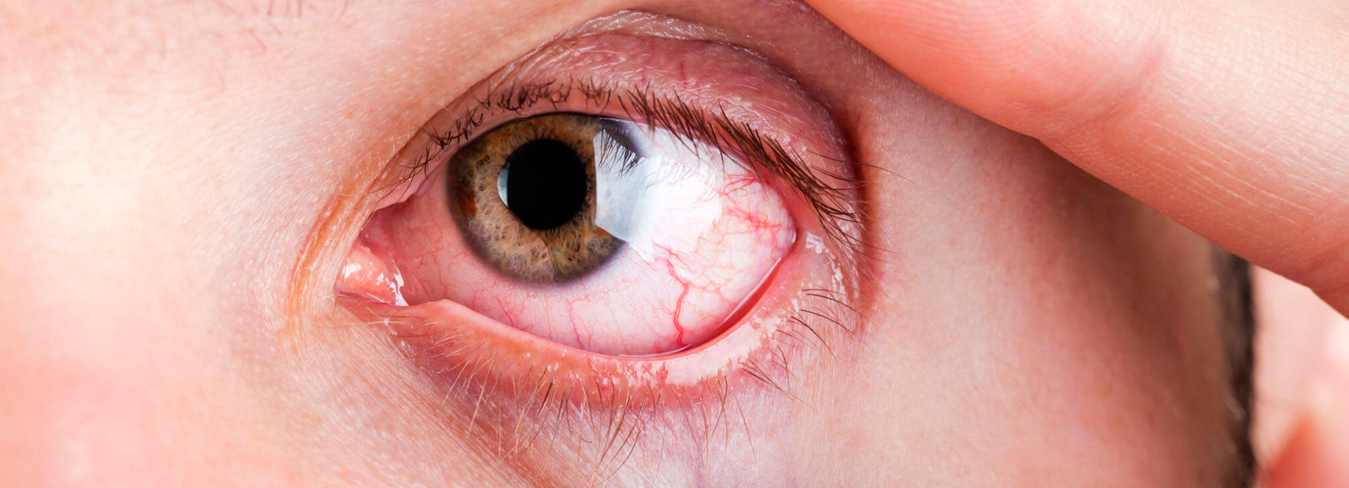
No More Baggy Eyes: Understanding How to Get Rid of Eye Bags

how to get rid of eye bags

If saying goodbye to those under-eye bags takes you long, something is wrong. It doesn’t affect your health or vision but creates that bothersome puffiness you want to push away. So, let’s figure out how to get rid of eye bags with some must-try solutions. But before that, let’s understand what causes eye bags in the first place. Read on.

Behind the Bags: What’s Causing Your Puffy Eyes?

You may get puffy eyes because of many reasons. It could be due to inflammation and congestion arising from allergies, consuming many salty foods, or thyroid problems. Other reasons include losing skin elasticity due to aging and genetics.

Time’s Toll: How Aging Shapes Your Eye Bags

As we age, our skin begins to lose elasticity and wrinkle. Additionally, the tissues around your eyes can become weakened, resulting in a baggy appearance. Moreover, the fat around the eye bulges out and creates that unwanted puffy look.

Pushing the Puff Away: How to Get Rid of Eye Bags

You have two treatment options to get rid of eye bags: medical and at-home treatments.

Home Remedies to the Rescue: Quick Fixes for Puffy Eyes

You can try effective at-home treatments to reduce the swelling around those puffy lids.

  • Using Over-the-Counter Creams- You must be careful while patting hemorrhoid creams under your eyes. That’s because they can irritate your skin’s sensitive area. Its phenylephrine content constricts blood vessels to lower the chances of swelling.
  • Applying Cold Compress: The cooling sensation works wonders on the swelling area by lowering blood flow. Apply an ice pack or frozen cucumber slices to your closed eyes for a few minutes.
  • Using Caffeine: Cosmetic caffeine products help narrow the blood vessels and relieve under-eye bags. Using chilled tea bags with your closed eyes also helps.

Medical Options and Treatments to Restore Your Eye Area

You can rely on non-invasive treatment options like laser resurfacing, fillers, and chemical peel to treat eye bags. Laser treatment helps eliminate wrinkly skin surface layers to stimulate new collagen growth in the affected area.

Putting a filler material like hyaluronic acid in the meeting point of the cheek and under-eye promotes that smooth transition. And the chemical peel helps remove those wrinkly surface layers to treat eye bags.

Eye Bag Fixer: Finding a Renowned Optometrist in Toronto

Finally, by seeing a trusted optometrist in Toronto, you can combat under-eye bags with the proper treatment. They can go through the underlying causes to find the solution that works for you.

Knowing how to get rid of eye bags with these practical steps and the treatment solution brings the right comfort at the right time

A Comprehensive Guide to Dry Eye Syndrome: Understanding the Condition and Effective Treatments

Dry Eye Syndrome

Tears serve a purpose beyond expressing emotions; they hydrate your eyes, ensuring cleanliness and overall eye health. A robust tear film is crucial for maintaining excellent vision. When your eyes don’t make enough tears to stay wet, you may experience dryness and itchiness in your eyes. This situation makes you a possible candidate for dry eye syndrome.

Dry Eye Syndrome – An Overview

The lacrimal gland, located just above your eyes, is the one that produces tears. This gland keeps your eyes wet and removes unwanted particles that enter your eyes. You will experience dry eye-related issues when this gland fails to do its job. Another reason is the fast drying up of tears. Further, if tears don’t work efficiently to keep your eyes moist, you will become vulnerable to dry eye. Visit an experienced optometrist for a detailed eye exam Toronto to diagnose and treat dry eye.

What Causes Dry Eye Syndrome?

Although men and women can get dry eye, it is more prevalent in women, particularly those who have undergone menopause. It is observed that people with diseases like lupus, Sjogren’s syndrome, rheumatoid arthritis, and thyroid issues are more susceptible to this condition. Overexposure to wind, smoke, and dry climate can cause dry eye. If your body does not have enough vitamin A, you are at risk for dry eye.

Other possible causes include

– Entropion and Entropion (Eyelid turning inward or outward)
– Blepharitis (Swollen or red eyelids)
– Sitting in front of a computer screen for a long time
– Excessing reading without blinking eyes
– Undergoing refractive eye surgery
– Overexposure to contact lenses
– Use of medications like antidepressants, diuretics, and sleeping pills

Dry Eye – Major Symptoms

The symptoms of dry eye can vary from occasional, mild discomfort to persistent irritation. Recognizable signs often include:
– Scratching sensation or itchy feel
– Stinging or burning sensation
– Excessive tearing and discharge
– Light sensitivity
– Redness in eyes
– Blurry vision

Diagnosis and Treatment of Dry Eye Syndrome

Your optometrist will perform an eye exam Toronto to diagnose and treat this condition. Mild issues are often treated with non-prescription eye drops, known as artificial tears. The optometrist will recommend prescription eye drops and anti-inflammatory medications for more stubborn symptoms.

Lifestyle changes are also essential to control dry eye-related issues. You can use warm compresses on your eyelids to get relief. Other options include using a dehumidifier, limiting screen time, and increasing water intake. Sometimes, the optometrist may recommend a dietary supplement like Omega 3 to ensure speedy recovery.

If your eyes dry up too fast, you may need to use tear duct plugs. Surgery becomes an inevitable choice when your dry eye discomforts are severe and complex to handle with medications and other options.

What Are The Benefits Of Using Anti-Blue Glasses?

anti blue glasses

Anti-blue glasses can block blue light from electronics like cell phones, laptops, and iPads. Yet, most of our lives today are spent staring at screens, whether working, learning, or relaxing. And the odds are that you are being exposed to much blue light, regardless of the computer activity you are engaging in.

It would be advisable in such circumstances to don computer safety or light blue glasses. To learn more about the advantages of light blue spectacles, keep reading!

What is blue light?

The most robust blue radiance is similar to the sun. According to research, blue light has an impact on our slumber pattern. Our body has an innate sense of time. Your body receives a wake-up cue from the sun’s natural blue light every morning. Retinal damage is one of the health issues that prolonged contact with artificial blue light can bring about.

Utilizing anti-blue glasses is one method to ease the strain on your eyes. These spectacles are also frequently referred to as computer protection glasses or eyewear for using a computer. Here are a few advantages of light blue spectacles in case you need more convincing to use them:

anti blue glasses

Advantages of using anti-blue glasses  :

  • Improve sleep quality:

Your typical waking and resting patterns, as well as the quality of your slumber, can be adversely impacted by blue light. In addition, the melatonin production by your body can also be hampered by blue light in the nighttime.

If your brain connects blue light with daylight, you might have trouble falling asleep at night and getting out of bed in the morning. You can also lessen this impact by using blue light glasses while using your smartphone.

  • Keep your eye health:

It is well known that blue radiation can harm the eye and cause macular degeneration. The chance of photo-aging and age-related myopia is also known to rise associated with exposure to blue light. Inflammation of the central vision, known as cystoid macular edema, can also result. Light blue spectacles protect your eyes from both dangerous UVA and UVB rays.

  • Improve visual strength:

Wearing anti-blue glasses can help you see better. Using their technology, the Blue-block, which acts as a blue light filter, will allow the hue of the spectrum to be identified. Consequently, donning glasses that obstruct blue light can impair your vision.

  • Reduce eyes diseases:

You run a higher risk of getting eye conditions like cataracts if exposed to blue light too frequently. This is so that blue light that passes through the eye can reach the retina.

Neither your cornea nor your eye’s glass can filter out blue light, but UV light can. Therefore, protecting your eyes from blue light can lower your chances of developing ocular diseases from prolonged exposure.

  • Less photosensitivity:

These findings show a negative correlation between migraine incidence and severity. Also considered is the degree of harm when patients don FL-41 lenses. The glass that blocks blue light is the best choice for preventing this kind of light.

Additional tips:

You can take some actions to reduce the effects of too much blue light in addition to donning anti-blue glasses. This comprises:

  1.  Limiting the time you spend using electronics or outside in the weather is the most effective method to reduce your exposure to blue light.
  2.  Sit at least an arm’s length away from your computer to reduce exposure to blue light.
  3.  On some digital devices, you can add or activate screen filters that reduce the exposure to blue light.
  4. If you have LED lights in your house and cannot replace them, consider using more non-LED light sources.

Therefore, blue light exposure isn’t going away; on the contrary, however, we can control its adverse impacts on our health and well-being by taking a few easy steps. Now, you have an idea about the benefits of anti-blue spectacles. It can be a fantastic investment in your health if you are aware of the advantages.

5 Benefits of Visiting an Eye Specialist

eye exams

[vc_row][vc_column width=”1/1″][vc_custom_heading source=”post_title” font_container=”tag:h1|text_align:left” use_theme_fonts=”yes”][vc_column_text]It’s essential to take care of your eyes. The right pair of glasses or contacts can help you see more clearly and comfortably, while eye exams can catch health problems early on. Here are five reasons why it’s worth it to visit an eye specialist:[/vc_column_text][vc_custom_heading source=”post_title” use_theme_fonts=”yes”][vc_column_text]The American Academy of Ophthalmology, the American Optometric Association, and the National Eye Institute recommend yearly eye exams. The American Academy of Family Physicians also supports this practice.

A yearly eye exam can keep your vision in check. It ensures that you take all necessary measures to protect your eyesight as you age. During an annual appointment, a doctor will examine your eyes for signs of cataracts or glaucoma. It is because glucagonoma leads to permanent vision loss if left untreated. An optometrist may perform visual acuity tests (how well you see). They also help you in retinal exams (light sensitivity levels).[/vc_column_text][ultimate_spacer height=”20″][us_image image=”7792″ size=”full” align=”center”][ultimate_spacer height=”20″][vc_column_text]Checking for illnesses

  • Eye diseases can resolve with early treatment.
  • Eye diseases can be hereditary.
  • Environmental factors can cause eye diseases.
  • Eye diseases can happen due to aging.

[/vc_column_text][ultimate_spacer height=”20″][us_image image=”7808″ size=”full” align=”center”][ultimate_spacer height=”20″][vc_column_text]1.Monitoring changes in vision

If you notice changes in your vision, you must see an eye doctor as soon as possible. Vision changes can signify other health problems such as diabetes, high blood pressure, and more.If you have difficulties seeing straight ahead or up close, feel free to schedule an appointment with one of the doctors today.[/vc_column_text][ultimate_spacer height=”20″][vc_column_text]2. Finding the best corrective lenses for you

If you have a problem with your eyes, you can fix it by wearing corrective lenses. Corrective lenses are glasses or contacts. Contact lenses may be a good option if you have dry eyes because they allow air to flow over the eye’s surface and keep it moist. Contact lenses are more expensive than glasses, and not everyone can wear them comfortably. However, they can help improve vision when glasses don’t work. Glasses cost less than contacts and are less likely to cause allergic reactions and irritation. However, contacts offer better peripheral vision than most eyeglasses because there’s less material blocking your view from the side of your eyes when using them instead of regular eyeglasses.[/vc_column_text][ultimate_spacer height=”20″][vc_column_text]3. Checking your eyes for other health concerns

The eye doctor is trained to spot signs of diabetes, high blood pressure, and heart disease in your eyes. They can also check for glaucoma, macular degeneration, and cataracts—all common age-related eye diseases that, if left untreated, could lead to permanent vision loss.[/vc_column_text][ultimate_spacer height=”20″][vc_column_text]4. Catching treatable conditions early

Eye disease is often linked to other diseases, including diabetes, high blood pressure, and heart disease. If your eye doctor detects a problem and you can get it treated early, you can lower the risk of progressing to more severe health issues later on down the road.[/vc_column_text][ultimate_spacer height=”20″][vc_column_text]5. Prevent vision loss and other health problems

Like most people, you may not think about your eyes as often as you should. But taking care of your vision is essential since it can help prevent vision loss and other health problems, including heart disease, high blood pressure, and diabetes.The connection between the eye and general health has been well-documented in published research studies. According to a 2012 study published in Optometry & Vision Science:“The relationship between overall good health and eyesight has long been recognized by both medical professionals and laypersons alike.”[/vc_column_text][ultimate_spacer height=”20″][vc_column_text]

If you’re concerned about your eyes, you should make an appointment with an eye doctor as soon as possible. And remember, there are many reasons to get regular checkups—not just because they can help diagnose problems that might not otherwise be spotted until it’s too late. Regular visits also allow ophthalmologists (eye doctors) to detect diseases like diabetes and high blood pressure before they cause severe damage. Plus, if you want a perfect vision for life, visiting a specialist regularly is the best way to keep it![/vc_column_text][/vc_column][/vc_row]

Top Four Tips for Your Eye Care, Maintain Good Eye Health

eye care tips

Eye Care is Crucial at Every Stage of Life:

This is because it increases the quality of eye care in an individual’s life. Poor vision or blindness affects individuals and families in many ways. Good eye health or eye care is important to read, cook, watch drive and do many other tasks in our day to day life. Regular check-up of eyes is required as it helps in detecting vision problems or eye diseases if any. But taking eye care must be done right from a young age to maintain eye health. Some of the basic to advanced tips of eye care is given below:

Maintain Good Food for your Eye Health:

Food that we eat plays a vital role in providing nutrients to our body and thus helps in eye care. Omega 3 fatty acids, zinc, vitamin C and E beta carotene help regain vision problems. Cataract and macular degeneration are age-old eye problems that tend to happen at a later age. Green leafy vegetables are good for eyes. Having carrot and beetroot juice is another way for eye care. Eggs, nuts, protein derived from non-meat sources, citrus fruits such as oranges and lemons, oysters are some other foods that help in overcoming eye-related problems by providing necessary nutrition. Tuna, mackerel, herring, salmon, sardines contain the most important levels of omega 3s. Vitamin E is present in nuts such as peanuts, cashew nuts, lentils and also it contains omega 3 fatty acids. Flax seeds and chia seeds too are good for eye health.

Vitamin A is a component of rhodopsin that helps the retina to absorb light. Those who are non-vegetarians can relish on chicken breast, pork and beef for the necessary nutrients. Eggs are rich sources of vitamins C, e, zinc, lutein, Zeaxanthin, etc. that are highly beneficial for eyes especially age-related eye problems. Vitamin  D helps in reducing macular degeneration risk.

Be careful with Type 2 Diabetes:

It leads to vision problems in some cases that might even cause blindness. To avoid one from getting type 2 diabetes controlling weight by taking a balanced and healthy diet is needed.

Stop Bad Habits:

Smoking is bad and injurious to our health in various ways. It affects the optic nerve by damaging it. Cataracts and macular degeneration are some of the medical problems associated with it.

Water for Eye Care:

Last but not least water is essential for the smooth functioning of life and hence vital to eye health. A lot of water is required to help overcome dehydration. Hydration is helpful for dry eyes.


Blue Light Protecting Glass a Protective Eyewear

Blue light protecting glasses

Blue light protecting glasses is an integral compulsion of modernity

Modern technology has undoubtedly made our viewing experience colorful and catching. But it also ushers related problems that are sometimes very harmful to human health. Almost all types of display screens including computer screen, electronic notebook, smartphones, and digital devices are sources of blue light. But more importantly, you can not stop using these devices today because these gadgets are just next to the basic needs of human life. What you need to ascertain is taking proper protection against blue light. In SB Optical you can get blue light protecting glasses to ensure the health of your eye.

Blue Light Protecting Glasses are Protective Eye wear

In the light spectrum, blue light has a relatively shorter wavelength and higher energy somehow similar to ultra-violet rays. The main source of blue light is the sun. The splendor of the sky, the beauty of the ocean owe much to the blue light of the sun. There are many man-made sources of blue light. Fluorescent and LED lights, flat screen displays are some sources of blue light. Modern smartphones, computer display screen, and electronic notebook emit a significant amount of blue light. The occupation of modern people with computer and smartphones for a long time in close proximity exposes them vulnerable to blue light. As a result, modern people tend to get eye problems caused by the overexposure to blue light.

How blue light affects our eye in a negative way?

The human retina is very sensitive to light. Mainly the light beam with shorter wavelength and greater energy is harmful to the retina. Cornea and lens block light beam from reaching the retina. But unfortunately, blue light passes through cornea and lens and hits the light-sensitive retina. Recent studies hint that overexposure to blue light can damage the retina. Consequently, you tend to get eye problems, headaches, and migraines.

Baleful effects of blue light on the human eye

Overexposure to blue light of computer, smartphones and led vehemently affect the light-sensitive retina. People suffer from various gruesome health issues.

  • Without the proper protection against blue light for a long time, you may be affected by macular degeneration. Macular degeneration is the non-functioning of the central cell of the retina of the eye that determines the clarity of our vision.
  • Digital eye strain comes as an immediate effect of overexposure to blue light. You feel headache, burning eyes and tired as you are exposed to blue light for a long time. You also experience loss of focus, blurry vision and double vision.

Blue light protecting eye-glasses can save from these frustrating and intriguing problems without your reducing your quality time with computer and other blue light emitting devices.

Cataract surgery patients must be protected from blue light

Cataract decreases the amount of light reaching the retina. It makes human vision blurry. The cataract surgeons replace the aging lens by artificial lens to restore the passage of enough light to the retina. After cataract surgery, you must take a protective shield against blue light. You can use blue light protecting glasses for this purpose.

Blue light protecting glasses is a useful eye gear

A modern man without a computer, smartphones, tablets is unthinkable. Due to the occupation, profession and avocation modern man spend the majority of the time in the exposure of blue light. To save yourself from the danger of harmful blue light radiation you must wear blue light protecting computer glasses. It assures the future of your child’s eye without hampering gadget mania.