

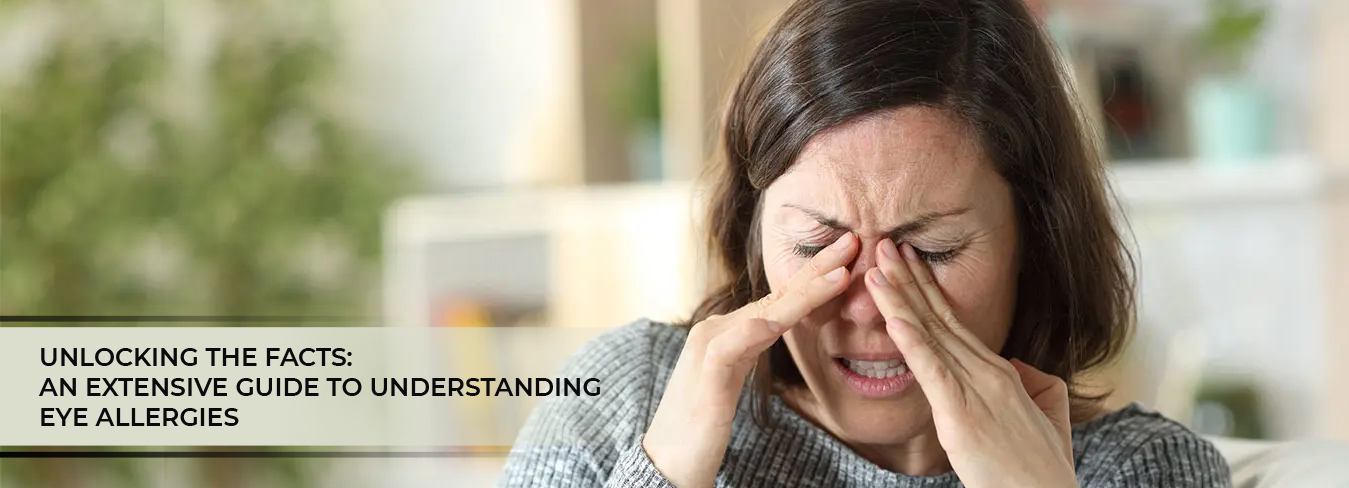
Do you feel an itching sensation in your eyes associated with redness? Then, you may be a victim of eye allergy. Some people experience a burning or tearing sensation. Also known as allergic conjunctivitis, eye allergies are a common issue that affects numerous people in Canada.
What Causes Allergies in Your Eyes?
Do you know that the outer covering of your eyes, conjunctiva, is a sensitive area? As allergens or irritants enter your eyelid, they irritate the conjunctiva. Consequently, you will experience inflammation in your eyes.
Your immune system responds whenever harmful external invaders enter your body. If you are vulnerable to allergies, your body will react instantly, mistaking irritants as dangerous substances. How does your body react? It produces antibodies to fend off the intruders.
In response, the mast cells in your conjunctiva discharge a chemical known as histamine. It triggers the swelling of blood vessels in your eyes to cause redness and itching.
Triggering Factors
When airborne allergens enter your eyes, you are a potential candidate for eye allergies. It can be indoor allergens like mold spores, pet dander, and dust mites. Outdoor allergens such as wood pollen, trees, and grass can also make you vulnerable to these allergies. In addition, perfumes, smoke, soaps, contact lenses, and cosmetics can also lead to allergic reactions.
What are the Symptoms?
The most common symptoms include redness, itchiness, burning sensation, and swelling. You may also experience watery eyes, higher sensitivity to light, and blurry vision. In addition, many people feel that something like dirt or grit has gone into their eyes.
How to Manage or Prevent Eye Allergies?
You can prevent eye allergies to a certain extent if you don’t expose yourself to allergens and other triggers. It may not be possible for you to stay 100% protected against them. However, you can follow some steps to minimize the exposure.
– Use a dehumidifier to get protection against mold
– Wear sunglasses when going outside
– Add an HEPA filter to your air conditioner and vacuum cleaner
– Opt for mite-proof covers on pillows and mattresses
– Clean contact lenses regularly
– Close windows when the presence of external irritants is high
– Clean hands after interacting with pets
– Reduce or avoid the use of carpets
Seek the help of an optometrist in Toronto if the symptoms do not subside after one week. The optometrist will perform the necessary eye exam before recommending a treatment plan. The treatment options for eye allergies include over-the-counter drops and medications, prescription allergy drops, and sublingual immunotherapy.
